Bread VS Egg Sandwich
A detailed nutritional comparison
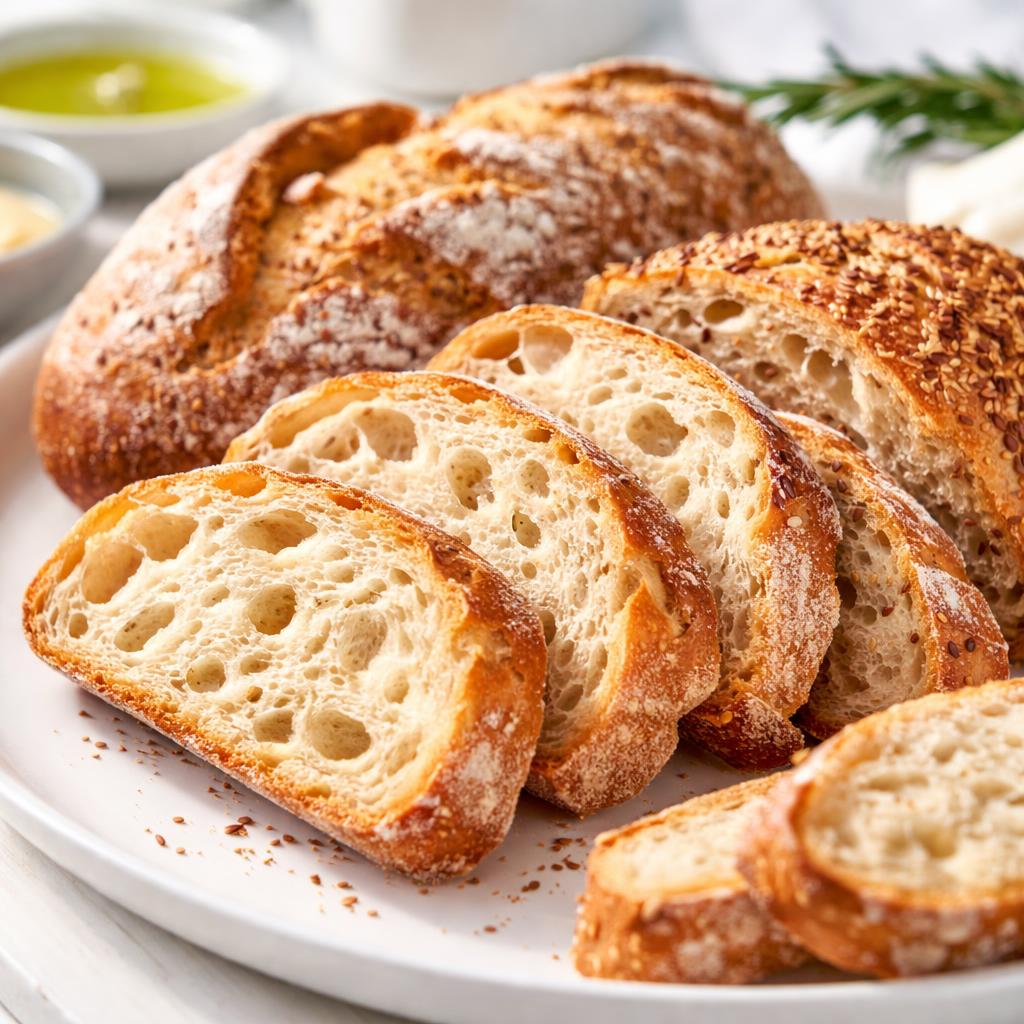
Bread
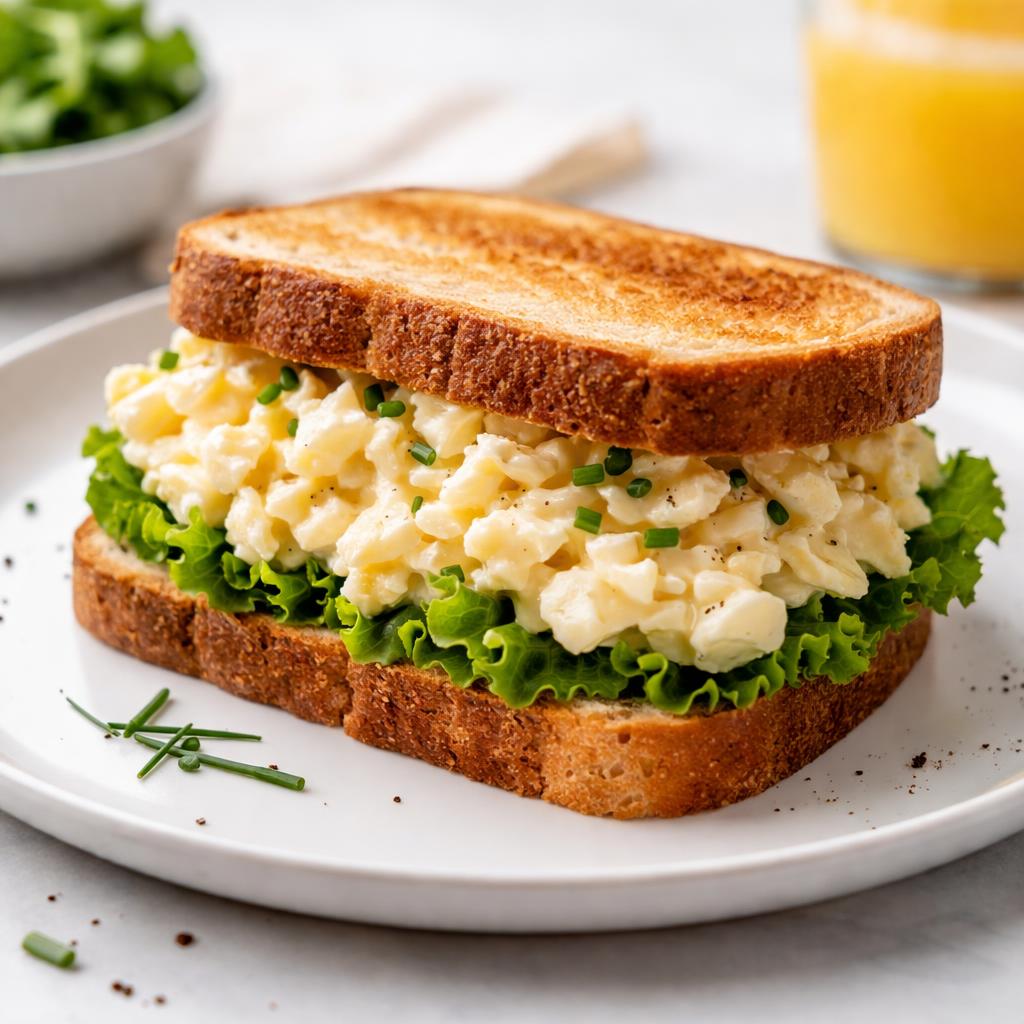
Egg Sandwich
🎯 Quick Verdict
Bread is lower in calories and richer in fiber, making it a suitable option for weight-conscious or digestive-focused diets. Egg sandwich offers significantly more protein and healthy fats, which make it a great choice for muscle building or sustained energy needs. Both foods serve unique purposes depending on your dietary goals.

Smart Nutrition Tracking with SnapCalorie

📊 Nutritional Comparison
Macronutrients
| Nutrient | Food 1 | Food 2 | Winner |
|---|---|---|---|
| Calories | 80 per slice | 300 per sandwich | ✓ |
| Protein | 3g per slice | 15g per sandwich | ✓ |
| Carbs | 15g per slice | 30g per sandwich | ✓ |
| Fat | 1g per slice | 12g per sandwich | ✓ |
| Fiber | 2g per slice | 1g per sandwich | ✓ |
Vitamins & Minerals
| Nutrient | Food 1 | Food 2 | Winner |
|---|---|---|---|
| Vitamin D | 0mcg | 2mcg | ✓ |
| Calcium | 30mg | 100mg | ✓ |
| Iron | 0.7mg | 1.5mg | ✓ |
🏆 Category Winners
Protein
Egg sandwich has 5x more protein than bread per serving.
Fiber
Bread has double the fiber content per serving.
Calories
Bread is significantly lower in calories (80 per slice vs 300 per sandwich).
Vitamins
Egg sandwich provides more Vitamin D, calcium, and iron.
🥗 Diet Compatibility
Keto
Food 1: Not Compatible
Food 2: Compatible
Egg sandwich is lower in carbs compared to bread and has more fats.
Vegan
Food 1: Compatible
Food 2: Not Compatible
Bread is plant-based; the egg sandwich contains animal products.
Gluten Free
Food 1: Not Compatible
Food 2: Not Compatible
Both typically contain gluten unless made gluten-free.
Paleo
Food 1: Not Compatible
Food 2: Compatible
Egg sandwich aligns better with paleo diets due to its protein and fat content.
Low Carb
Food 1: Not Compatible
Food 2: Compatible
Egg sandwich is lower in carbs compared to bread.
💪 Health Benefits Comparison
Food 1 Benefits
- Rich in fiber for gut health
- Low in fat, suitable for weight management
- Provides carbohydrates for quick energy
Food 2 Benefits
- High in protein for muscle building and repair
- Good source of healthy fats for heart health
- Contains essential vitamins like Vitamin D and iron for bone and blood support
✅ The Bottom Line
Choose bread for lower calories, fiber intake, and vegan-friendly meals. Opt for the egg sandwich for high protein, more sustained energy, and added vitamins and minerals. Each food serves a different nutritional role depending on dietary needs.
Choose Food 1 for: Weight loss, vegan diets, quick energy from carbs
Choose Food 2 for: Muscle building, sustained energy, nutrient density


