Bread VS Egg Omelette
A detailed nutritional comparison
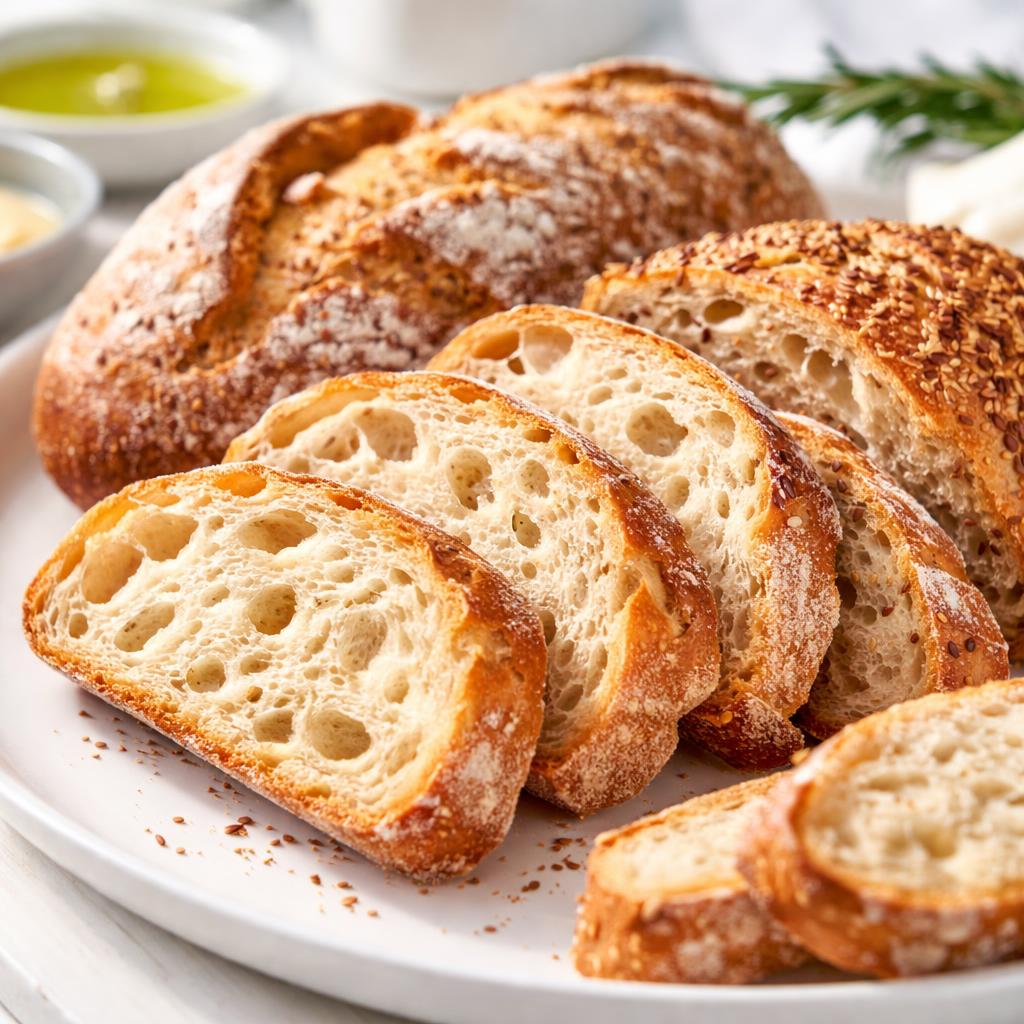
Bread
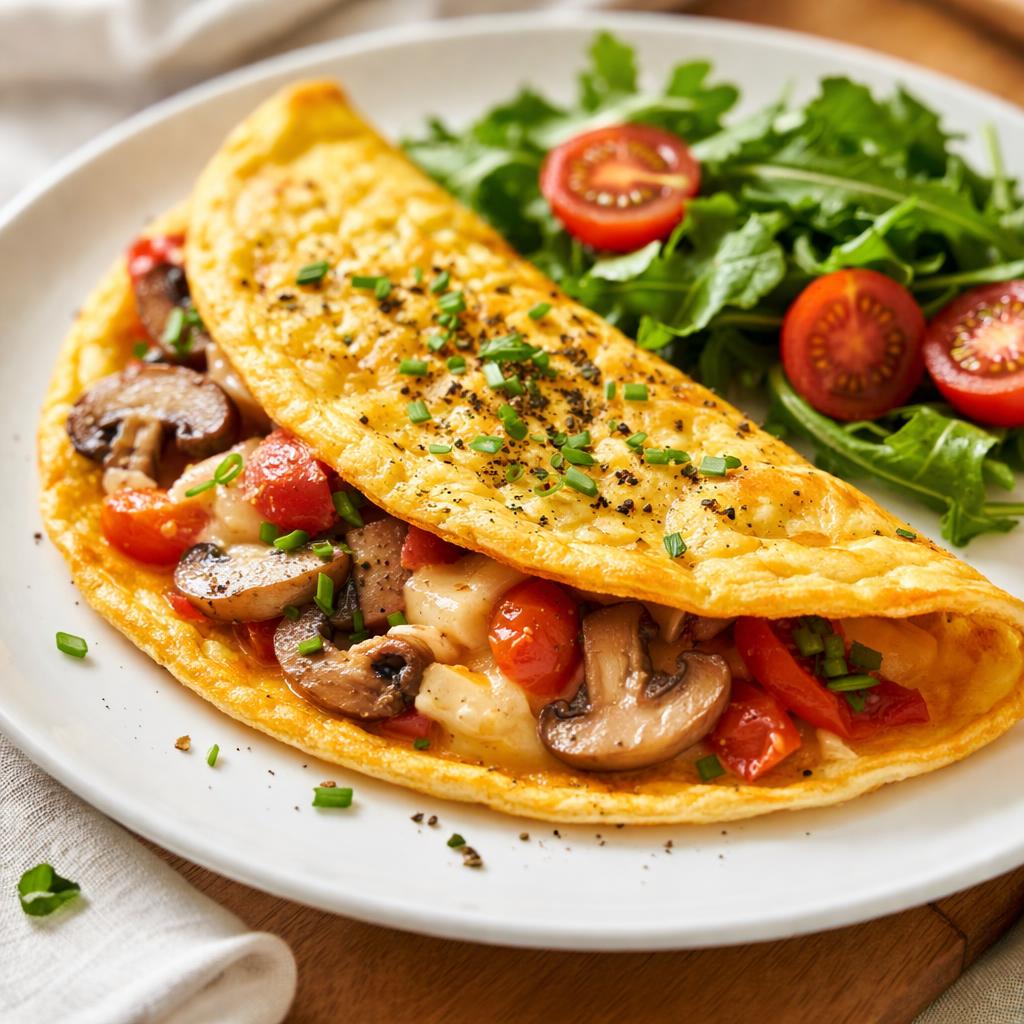
Egg Omelette
🎯 Quick Verdict
Bread is higher in carbohydrates and fiber, making it a good choice for energy and digestion support, whereas an egg omelette is significantly higher in protein and provides essential fats for muscle maintenance and satiety. If you're looking for a nutrient-dense, low-carb option, food2 wins; bread is better for quick energy refill or pairing with other foods.

Smart Nutrition Tracking with SnapCalorie

📊 Nutritional Comparison
Macronutrients
| Nutrient | Food 1 | Food 2 | Winner |
|---|---|---|---|
| Calories | 120 per slice (28g) | 94 per egg (50g) | ✓ |
| Protein | 4g | 7g | ✓ |
| Carbs | 21g | 1g | ✓ |
| Fat | 1g | 7g | ✓ |
| Fiber | 1g | 0g | ✓ |
Vitamins & Minerals
| Nutrient | Food 1 | Food 2 | Winner |
|---|---|---|---|
| Vitamin D | 0mcg | 1mcg | ✓ |
| Calcium | 30mg | 25mg | ✓ |
| Iron | 1mg | 1mg | − |
🏆 Category Winners
Protein
Food2 provides nearly double the protein content per serving compared to bread.
Fiber
Bread contains dietary fiber while omelettes do not.
Calories
A typical egg omelette has fewer calories per serving compared to bread.
Vitamins
The egg omelette is a richer source of vitamin D and essential fats.
🥗 Diet Compatibility
Keto
Food 1: Not Compatible
Food 2: Compatible
Food2 is low in carbs, while bread is high-carb.
Vegan
Food 1: Compatible
Food 2: Not Compatible
Bread can be vegan, but omelette contains eggs.
Gluten Free
Food 1: Not Compatible
Food 2: Compatible
Bread typically contains gluten, while an egg omelette is gluten-free.
Paleo
Food 1: Not Compatible
Food 2: Compatible
Food2 aligns with paleo diets due to its whole food profile, while bread is processed.
Low-Carb
Food 1: Not Compatible
Food 2: Compatible
Bread is high-carb, whereas food2 is low-carb.
💪 Health Benefits Comparison
Food 1 Benefits
- Provides quick-releasing energy from carbohydrates
- Contains dietary fiber for digestive health
- Fortified with essential vitamins and minerals like iron and calcium
Food 2 Benefits
- High in protein to support muscle repair and maintenance
- Rich in healthy fats for brain and heart health
- Contains vitamin D, which supports bone health and immunity
✅ The Bottom Line
Bread is ideal for those needing an easy source of energy or fiber, often as part of a meal pairing like toast or a sandwich. Egg omelettes shine due to their high protein, healthy fats, and low-carb profile, making them a top choice for fitness enthusiasts, ketogenic diets, or paleo eaters.
Choose Food 1 for: Quick energy, pairing with spreads, digestion support
Choose Food 2 for: Muscle building, weight loss, low-carb diets


