Bread Rolls VS Sourdough Rye Bread
A detailed nutritional comparison
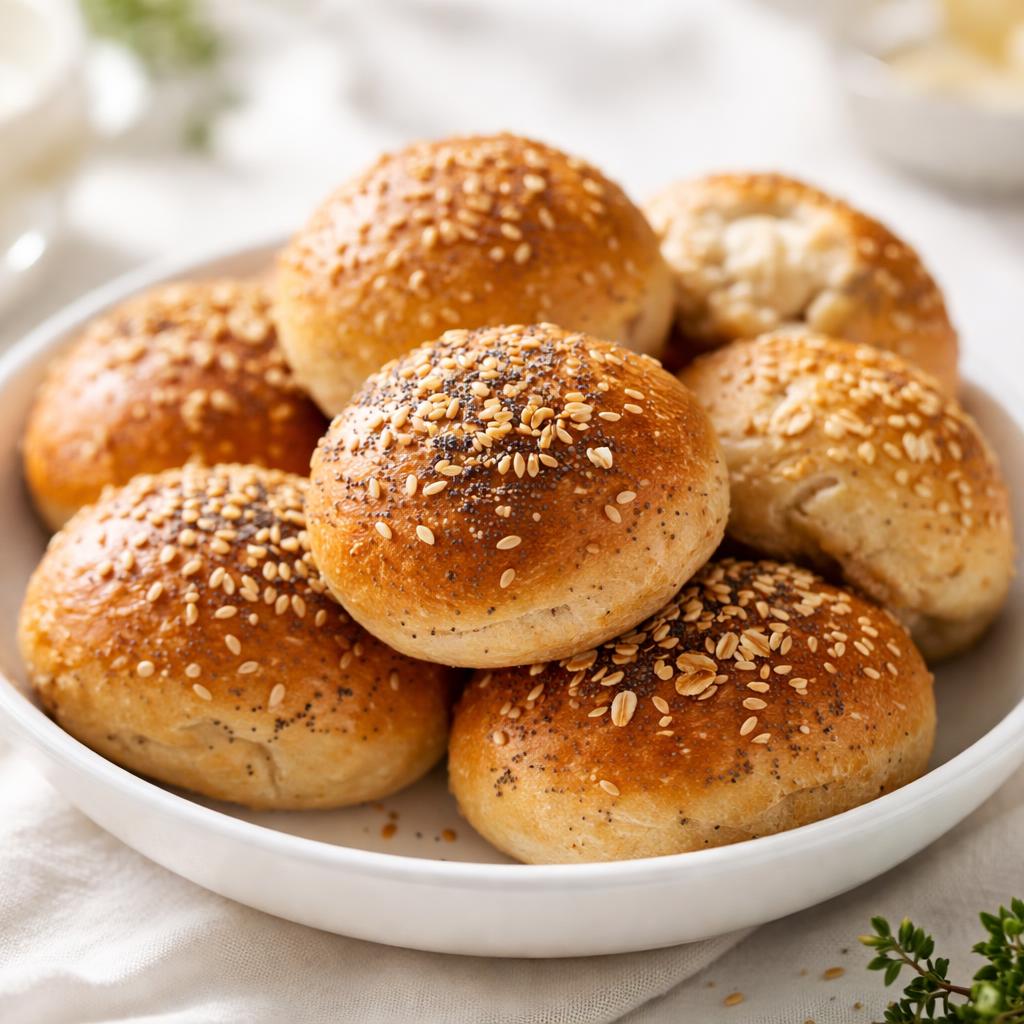
Bread Rolls
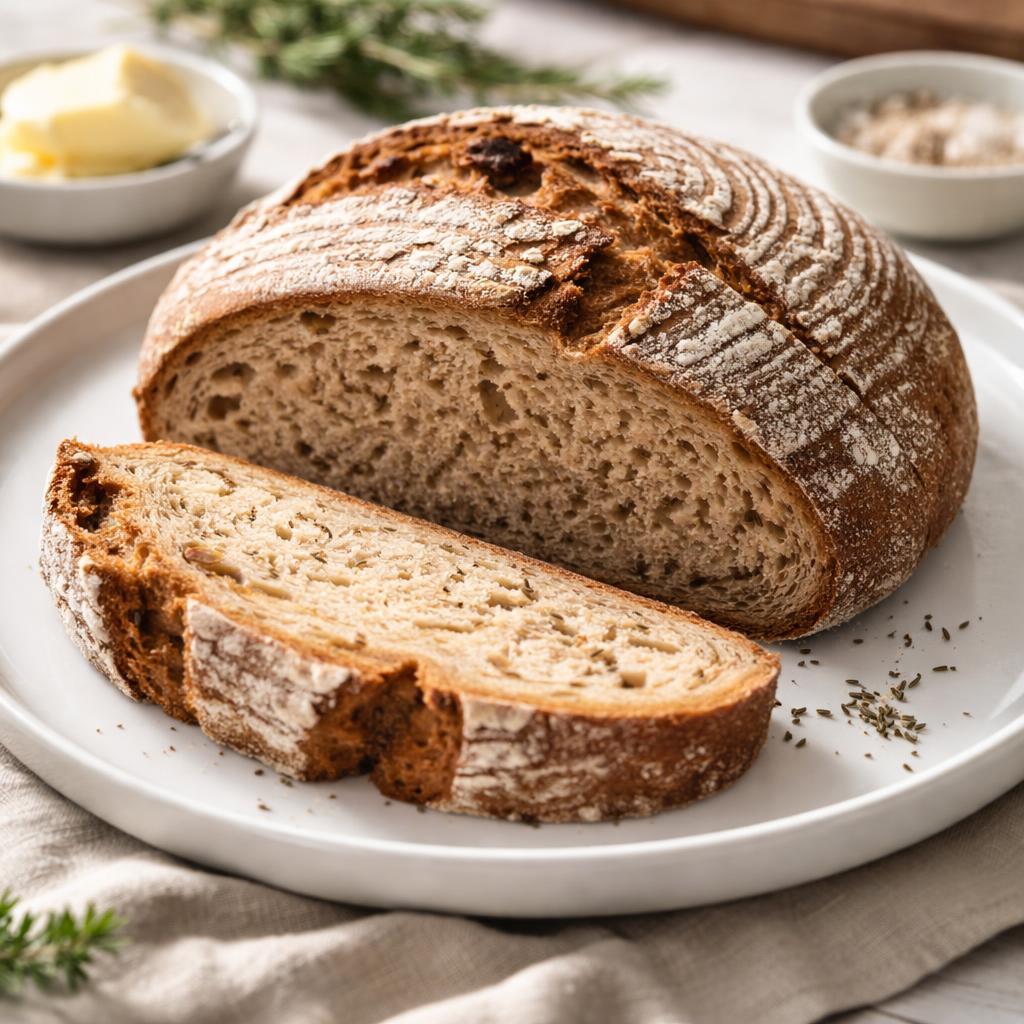
Sourdough Rye Bread
🎯 Quick Verdict
Sourdough rye bread is nutritionally superior to bread rolls due to its higher protein, fiber, and mineral content, as well as fewer calories per serving. Bread rolls, however, may be better suited for quick energy needs due to their higher carbohydrate content and softer texture, making them a popular choice for sandwiches or snacks.

Smart Nutrition Tracking with SnapCalorie

📊 Nutritional Comparison
Macronutrients
| Nutrient | Food 1 | Food 2 | Winner |
|---|---|---|---|
| Calories | 270 | 220 | ✓ |
| Protein | 8g | 9g | ✓ |
| Carbs | 49g | 40g | ✓ |
| Fat | 3g | 2g | ✓ |
| Fiber | 2g | 5g | ✓ |
Vitamins & Minerals
| Nutrient | Food 1 | Food 2 | Winner |
|---|---|---|---|
| Vitamin D | 0mcg | 0mcg | − |
| Calcium | 50mg | 80mg | ✓ |
| Iron | 2mg | 3mg | ✓ |
🏆 Category Winners
Protein
Sourdough rye bread contains slightly more protein, contributing to muscle repair and maintenance.
Fiber
Sourdough rye bread contains over twice the fiber, aiding in digestion and promoting satiety.
Calories
Sourdough rye bread has 18% fewer calories, making it a lighter option.
Vitamins
Sourdough rye contains higher amounts of calcium and iron, essential for bone health and oxygen transport.
🥗 Diet Compatibility
Keto
Food 1: Not Compatible
Food 2: Not Compatible
Both are high-carb options not suitable for keto diets.
Vegan
Food 1: Compatible
Food 2: Compatible
Both breads are typically plant-based, but check for dairy or egg additives.
Gluten Free
Food 1: Not Compatible
Food 2: Not Compatible
Neither option is gluten-free due to wheat and rye content.
Paleo
Food 1: Not Compatible
Food 2: Not Compatible
Both are grain-based and do not align with paleo diet principles.
Low-Carb
Food 1: Not Compatible
Food 2: Not Compatible
Both options are too high in carbohydrates for a low-carb diet.
💪 Health Benefits Comparison
Food 1 Benefits
- Provides quick energy due to higher carbohydrate content
- Soft texture makes it easier to consume for certain individuals
- Contains small amounts of iron for oxygen transport
Food 2 Benefits
- Higher fiber content supports digestion and satiety
- Rich in iron for energy production and oxygen transport
- Lower calorie count aids in weight management
✅ The Bottom Line
Choose sourdough rye bread when looking for higher nutritional value with more protein, fiber, and fewer calories. Opt for bread rolls if you need quick energy or a soft-textured bread for high-energy meals like burgers or sandwiches.
Choose Food 1 for: Quick energy, soft texture, sandwiches
Choose Food 2 for: Weight control, digestion, balanced nutrition


