Boiled Rice VS Konjac Noodles
A detailed nutritional comparison
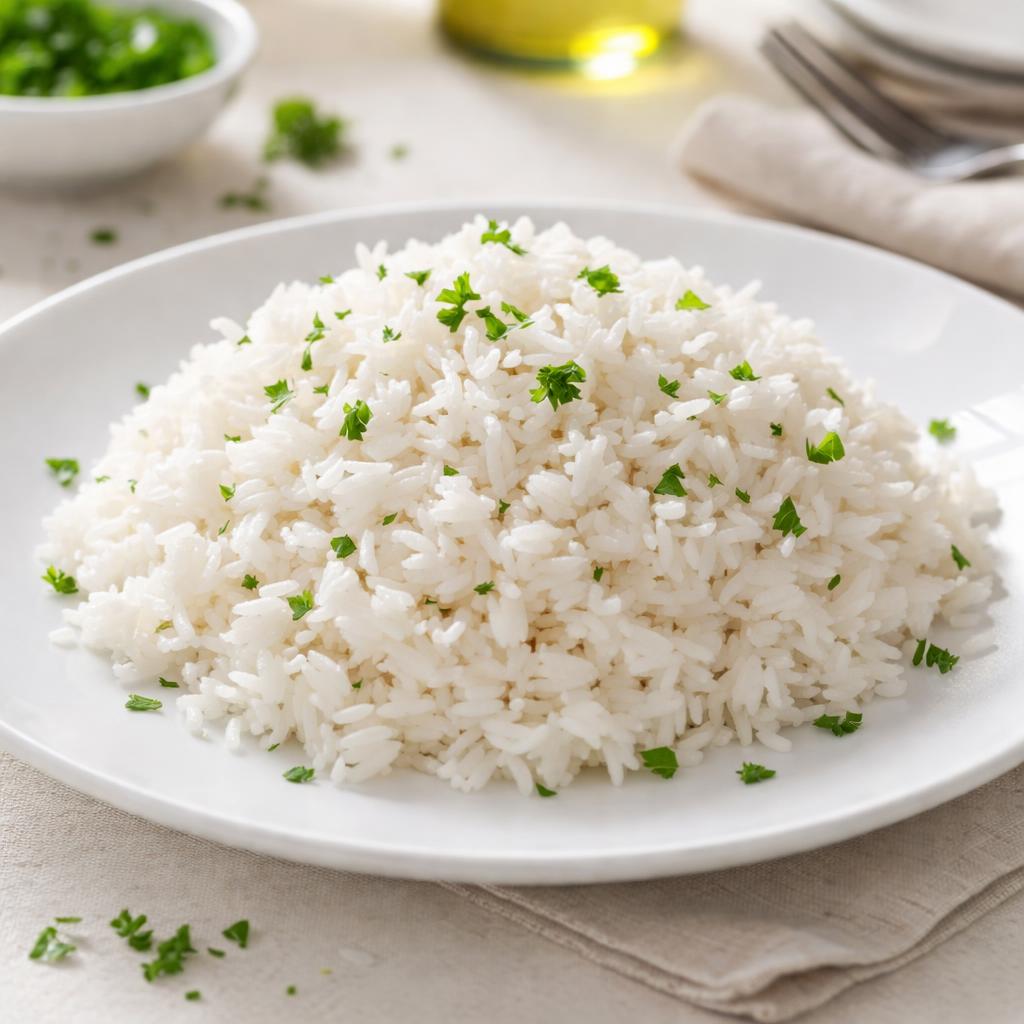
Boiled Rice
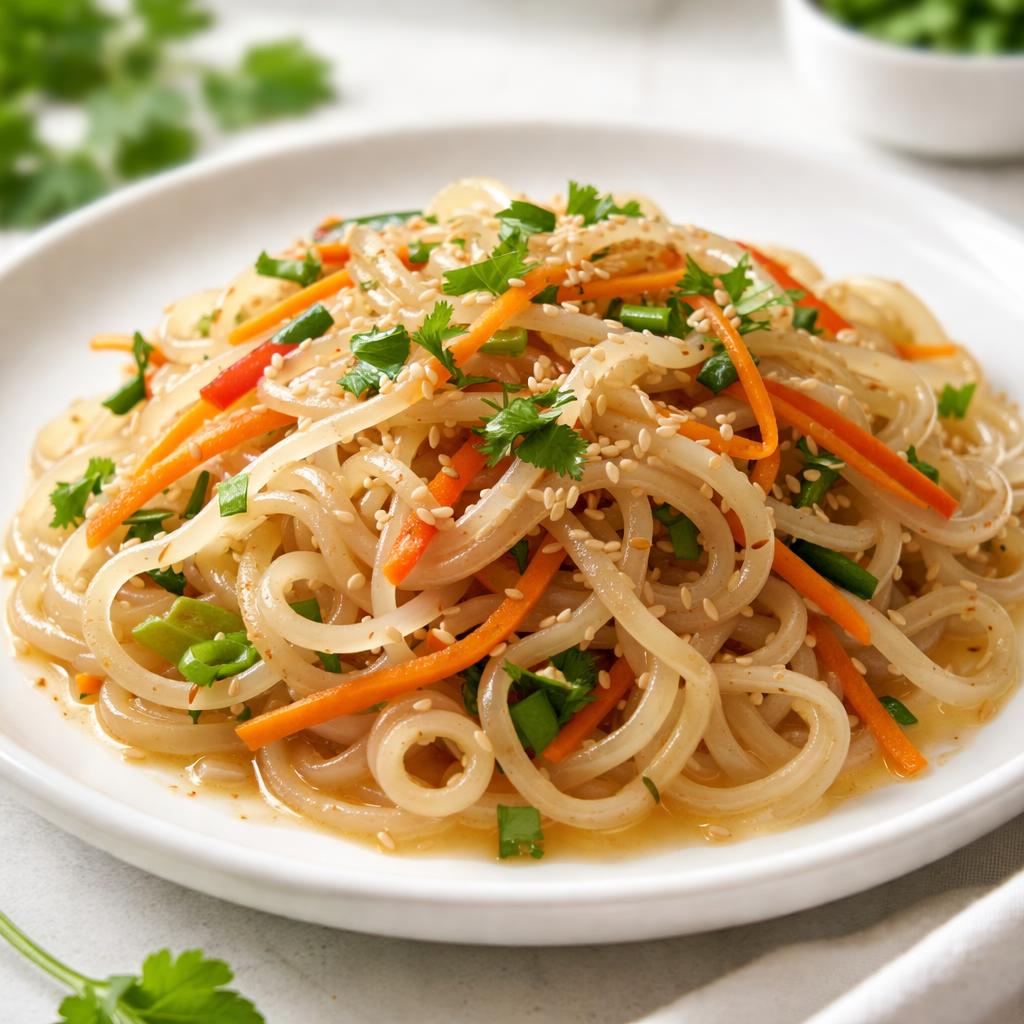
Konjac Noodles
🎯 Quick Verdict
Konjac noodles deliver far fewer calories compared to boiled rice (10 calories vs. 150 calories per serving). They are also much higher in fiber, making them suitable for digestion and satiety. While both are low in protein, they are equally compatible for vegan and gluten-free diets. Boiled rice is better suited for energy-dense meals, while konjac noodles are ideal for weight management or low-carb diets.

Smart Nutrition Tracking with SnapCalorie

📊 Nutritional Comparison
Macronutrients
| Nutrient | Food 1 | Food 2 | Winner |
|---|---|---|---|
| Calories | 150 per 1 cup (158g) | 10 per 1 cup (150g) | ✓ |
| Protein | 3g | 0.5g | − |
| Carbs | 34g | 5g | ✓ |
| Fat | 0.3g | 0g | ✓ |
| Fiber | 0.6g | 3g | ✓ |
Vitamins & Minerals
| Nutrient | Food 1 | Food 2 | Winner |
|---|---|---|---|
| Vitamin D | 0mcg | 0mcg | − |
| Calcium | 2mg | 4mg | ✓ |
| Iron | 0.2mg | 0.3mg | ✓ |
🏆 Category Winners
Protein
Both foods are very low in protein.
Fiber
Konjac noodles provide 3g of fiber, while rice has only 0.6g per serving.
Calories
Konjac noodles are extremely low-calorie with only 10 calories per serving.
Vitamins
Konjac noodles slightly edge out rice with higher calcium and iron levels.
🥗 Diet Compatibility
Keto
Food 1: Not Compatible
Food 2: Compatible
Konjac noodles are low-carb with only 5g per serving, while rice contains 34g of carbs.
Vegan
Food 1: Compatible
Food 2: Compatible
Both foods are plant-based and suitable for vegan diets.
Gluten Free
Food 1: Compatible
Food 2: Compatible
Neither food contains gluten.
Paleo
Food 1: Compatible
Food 2: Compatible
Both align with paleo principles as whole, minimally processed foods.
Low Carb
Food 1: Not Compatible
Food 2: Compatible
Konjac noodles fit low-carb diets with only 5g of carbs per serving, whereas boiled rice is carbohydrate-heavy.
💪 Health Benefits Comparison
Food 1 Benefits
- Provides quick energy due to high carbohydrate content
- Suitable for high-calorie meal planning
- Low in fat and cholesterol, heart-healthy
Food 2 Benefits
- Extremely low-calorie, ideal for weight management
- High in fiber for digestion and satiety
- Low-carb, suitable for ketogenic and diabetes-friendly diets
✅ The Bottom Line
Choose konjac noodles for weight management, low-carb diets, or if you need a filling food without many calories. Opt for boiled rice if you need an energy-dense meal for physical activity or endurance. Both foods are vegan and gluten-free.
Choose Food 1 for: Energy boost, high-carb diets, versatile meals
Choose Food 2 for: Weight loss, low-calorie meals, keto-friendly options


