Black Rice VS Shirataki Rice
A detailed nutritional comparison
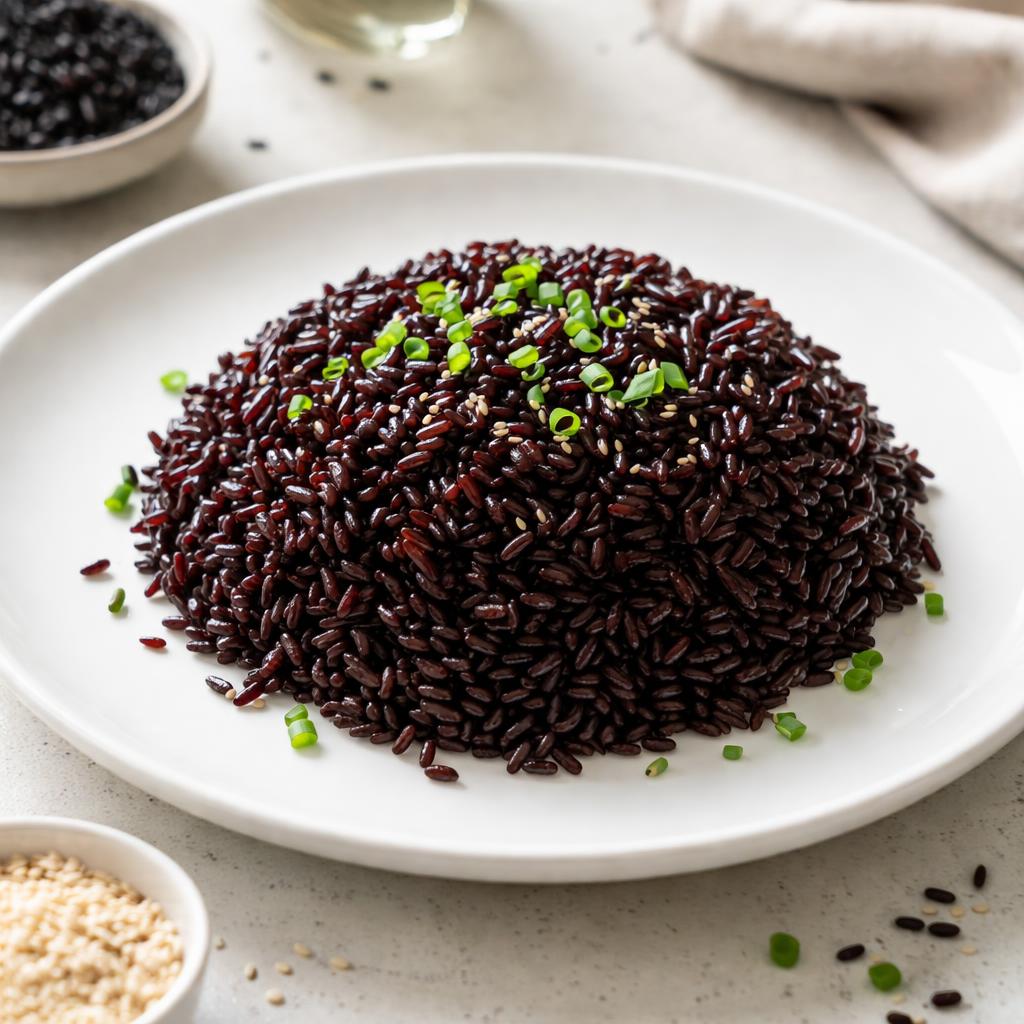
Black Rice
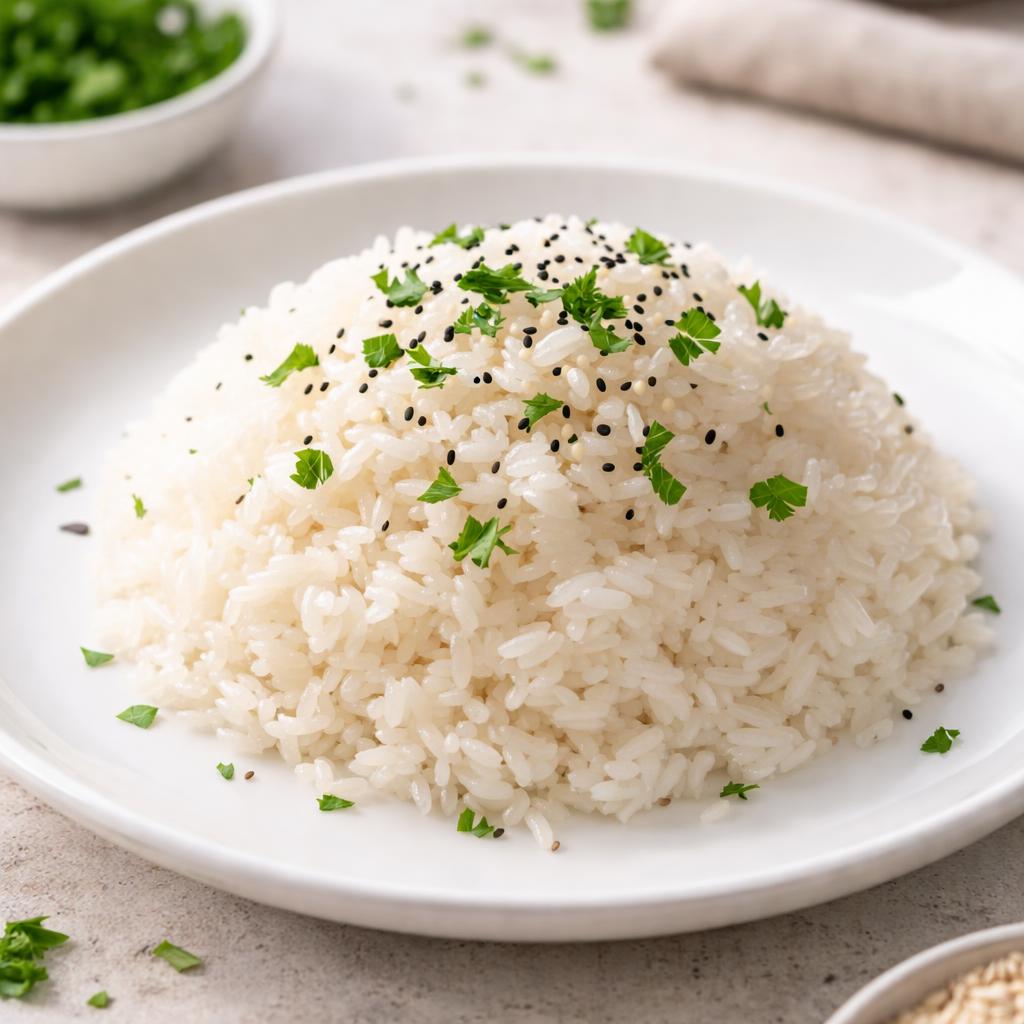
Shirataki Rice
🎯 Quick Verdict
Black rice is rich in protein, fiber, and essential nutrients, making it ideal for nutrient density and energy. Shirataki rice is nearly calorie-free and low in carbohydrates, making it excellent for weight loss and low-carb diets. Both are vegan and gluten-free, but their use depends on dietary priorities like calorie control vs nutrient intake.

Smart Nutrition Tracking with SnapCalorie

📊 Nutritional Comparison
Macronutrients
| Nutrient | Food 1 | Food 2 | Winner |
|---|---|---|---|
| Calories | 200 | 10 | − |
| Protein | 5g | 0g | − |
| Carbs | 43g | 2g | − |
| Fat | 1.5g | 0g | − |
| Fiber | 3g | 0g | − |
Vitamins & Minerals
| Nutrient | Food 1 | Food 2 | Winner |
|---|---|---|---|
| Vitamin B1 | 0.12mg | 0mg | − |
| Vitamin E | 0.8mg | 0mg | − |
| Iron | 1.8mg | 0mg | − |
🏆 Category Winners
Protein
Black rice contains 5g of protein per serving, while shirataki rice has none.
Fiber
Black rice provides 3g per serving, compared to zero in shirataki rice.
Calories
Shirataki rice contains only 10 calories per serving, compared to 200 in black rice.
Vitamins
Black rice is rich in B vitamins, vitamin E, and iron, while shirataki rice lacks these nutrients.
🥗 Diet Compatibility
Keto
Food 1: Not Compatible
Food 2: Compatible
Shirataki rice is keto-friendly due to its extremely low carbohydrate content.
Vegan
Food 1: Compatible
Food 2: Compatible
Both options are plant-based and suitable for vegan diets.
Gluten Free
Food 1: Compatible
Food 2: Compatible
Neither contains gluten.
Paleo
Food 1: Compatible
Food 2: Compatible
Both foods align with paleo principles as whole, natural foods.
Low-Carb
Food 1: Not Compatible
Food 2: Compatible
Shirataki rice contains almost no carbs, while black rice has higher carbohydrate content.
💪 Health Benefits Comparison
Food 1 Benefits
- Provides sustained energy from complex carbohydrates.
- Rich in antioxidants, specifically anthocyanins, which may lower inflammation.
- Good source of fiber for improved digestion and gut health.
- Iron content supports oxygen transport and energy levels.
Food 2 Benefits
- Extremely low in calories, ideal for weight management.
- Promotes fullness due to glucomannan fiber, supporting appetite control.
- May help regulate blood sugar due to low glycemic impact.
- Keto-friendly and gluten-free, making it versatile across multiple diets.
✅ The Bottom Line
Choose black rice when you need a nutrient-dense option rich in protein, fiber, and vitamins—perfect for energy, balanced meals, and long-term health. Opt for shirataki rice when calorie control or low-carb dieting is your priority, making it excellent for keto plans or weight loss journies.
Choose Food 1 for: Balanced diets, nutrient intake, sustained energy
Choose Food 2 for: Weight loss, low-carb diets, keto and paleo lifestyles


