Black Rice VS Raw Rice
A detailed nutritional comparison
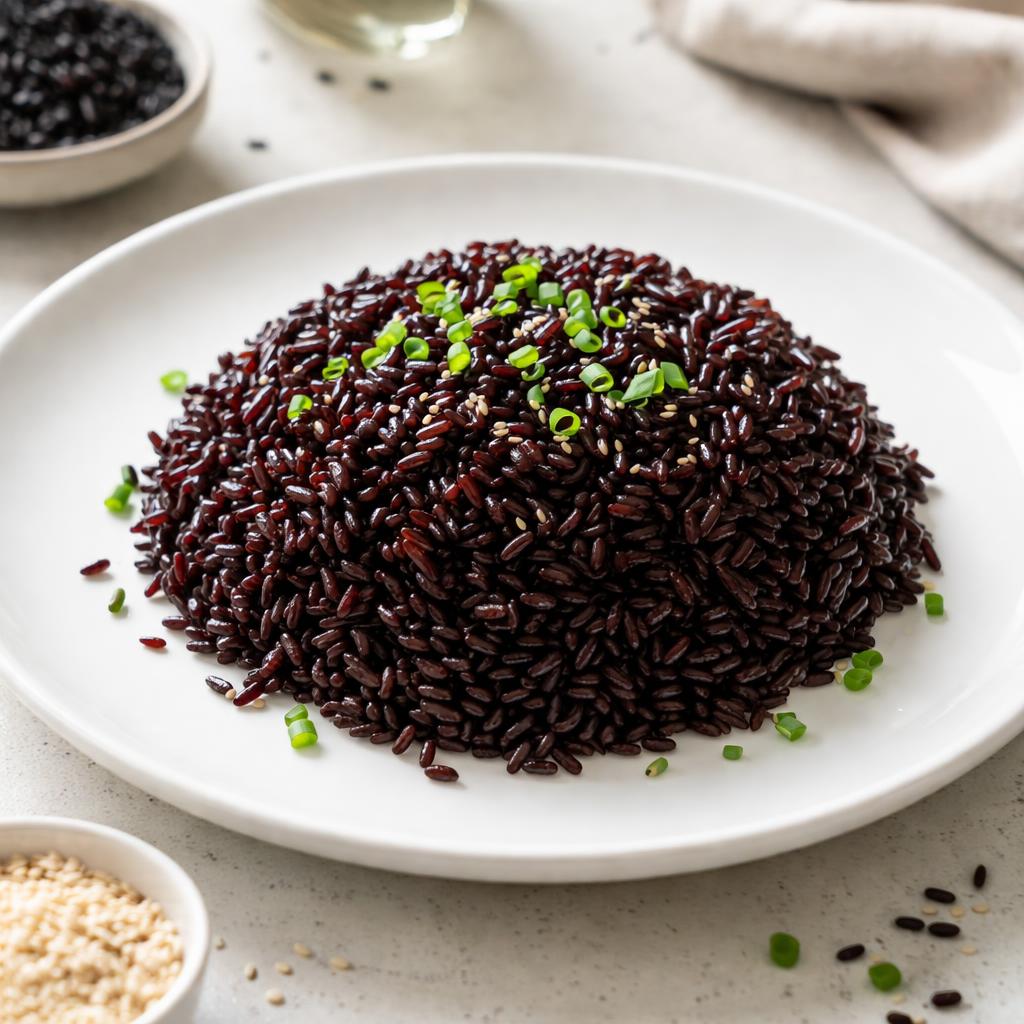
Black Rice
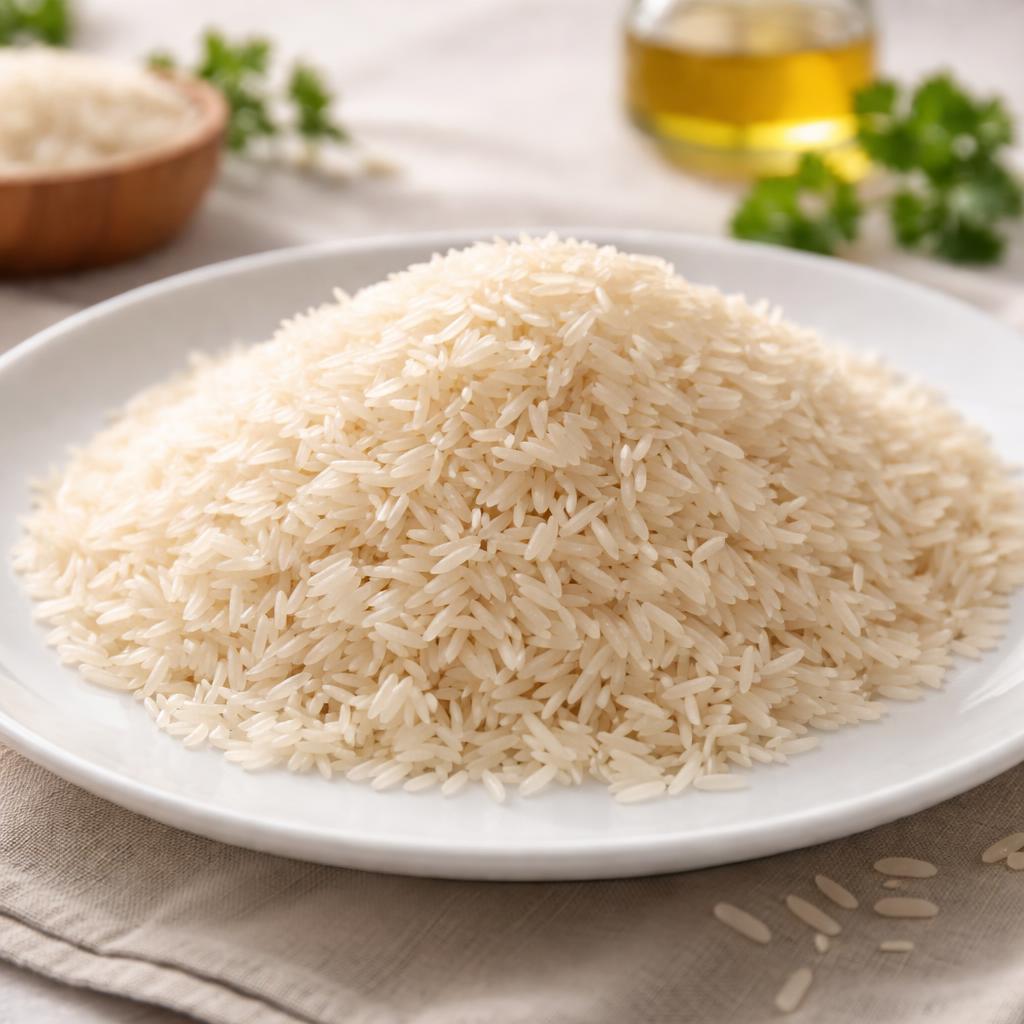
Raw Rice
🎯 Quick Verdict
Black rice outperforms raw white rice in overall nutrition by providing higher protein, more fiber, a lower glycemic index, and fewer calories per serving. While raw white rice is a source of quick-digesting carbohydrates, black rice is a better choice for sustained energy, nutrient density, and digestive benefits. Black rice suits health-conscious individuals, while white rice may appeal for its culinary flexibility and suitability for higher-carb diets.

Smart Nutrition Tracking with SnapCalorie

📊 Nutritional Comparison
Macronutrients
| Nutrient | Food 1 | Food 2 | Winner |
|---|---|---|---|
| Calories | 160 | 200 | ✓ |
| Protein | 4.5g | 2.6g | ✓ |
| Carbs | 34g | 45g | ✓ |
| Fat | 1.5g | 0.5g | ✓ |
| Fiber | 2.2g | 0.4g | ✓ |
Vitamins & Minerals
| Nutrient | Food 1 | Food 2 | Winner |
|---|---|---|---|
| Vitamin B6 | 0.16mg | 0.05mg | ✓ |
| Iron | 1.8mg | 0.8mg | ✓ |
| Magnesium | 42mg | 12mg | ✓ |
| Zinc | 1.5mg | 0.5mg | ✓ |
🏆 Category Winners
Protein
Black rice has 73% more protein per serving than raw rice.
Fiber
Black rice provides over 5 times the fiber content per serving.
Calories
Black rice has 20% fewer calories compared to white rice.
Vitamins
Black rice contains significantly higher amounts of iron, magnesium, zinc, and vitamin B6.
🥗 Diet Compatibility
Keto
Food 1: Not Compatible
Food 2: Not Compatible
Both foods are high in carbohydrates, making them unsuitable for keto diets.
Vegan
Food 1: Compatible
Food 2: Compatible
Both are plant-based and appropriate for vegan diets.
Gluten Free
Food 1: Compatible
Food 2: Compatible
Neither food contains gluten and can be consumed in a gluten-free diet.
Paleo
Food 1: Compatible
Food 2: Compatible
Both are whole, unprocessed grains suitable for paleo diets.
Low-Carb
Food 1: Not Compatible
Food 2: Not Compatible
These foods are high-carb staples, better suited for balanced diets rather than low-carb plans.
💪 Health Benefits Comparison
Food 1 Benefits
- Provides antioxidants like anthocyanins for cellular health.
- Higher protein content supports muscle repair and maintenance.
- Rich in fiber for improved digestion and gut health.
- Contains more magnesium and iron for electrolyte balance and oxygen transport.
Food 2 Benefits
- Quick source of digestible carbohydrates for fast energy.
- Ideal for refueling after intense physical activity.
- Mild flavor pairs well with a variety of dishes.
- Provides a minimal fat content for nearly fat-free meals.
✅ The Bottom Line
Black rice is nutritionally superior to raw white rice due to its higher protein, fiber, vitamins, and lower calorie content. Opt for black rice if you're looking for a nutrient-dense option that supports digestion and energy balance. Choose raw white rice for high-carb refueling or culinary versatility where texture and flavor variety are priorities.
Choose Food 1 for: Nutrient-dense diets, weight management, heart health, digestive support
Choose Food 2 for: Quick energy, large meal preparation, post-exercise carbohydrate replenishment


