Black Rice VS Cooked White Rice
A detailed nutritional comparison
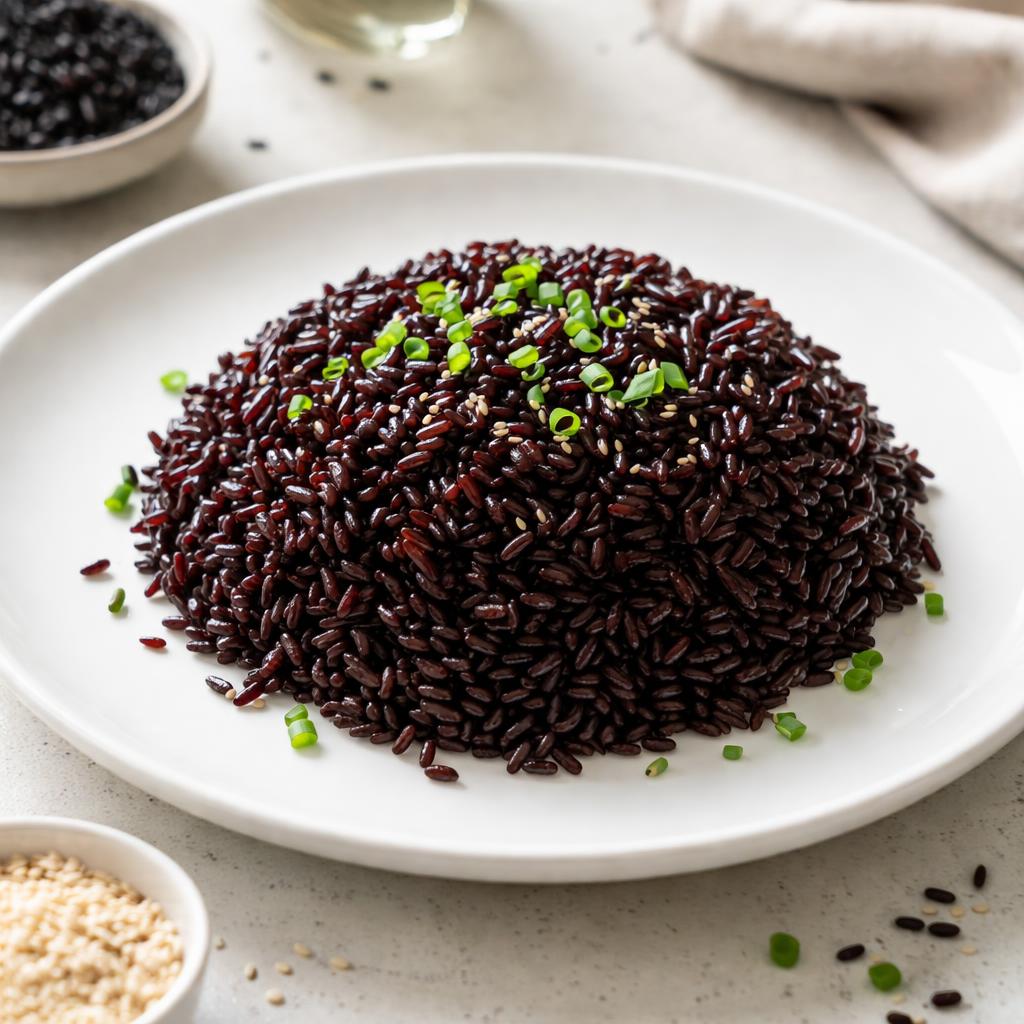
Black Rice
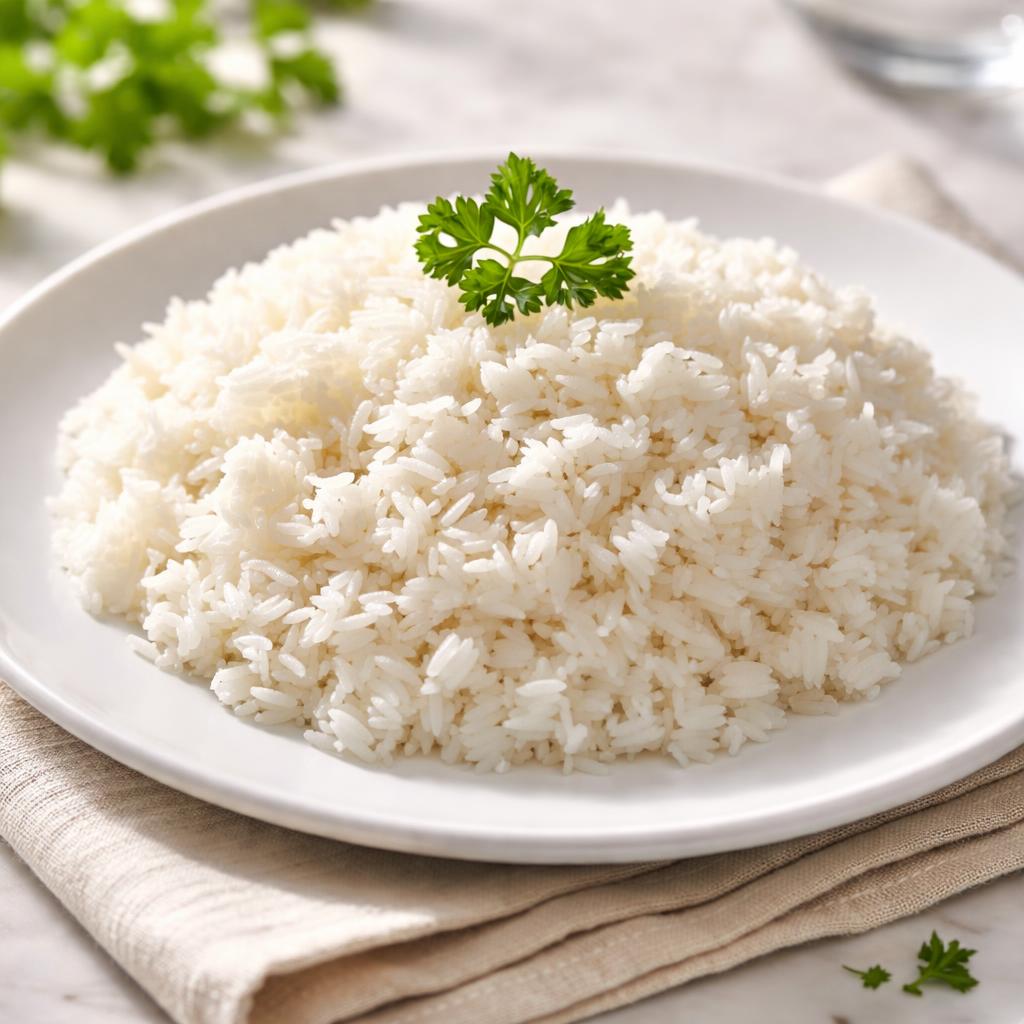
Cooked White Rice
🎯 Quick Verdict
Black rice outshines white rice nutritionally with more protein, fiber, and fewer calories per serving, making it ideal for health-conscious individuals. White rice, being lower in fiber and protein, is better for easily digestible energy but lacks the nutrient density of black rice.

Smart Nutrition Tracking with SnapCalorie

📊 Nutritional Comparison
Macronutrients
| Nutrient | Food 1 | Food 2 | Winner |
|---|---|---|---|
| Calories | 160 | 200 | ✓ |
| Protein | 4.5g | 2.6g | ✓ |
| Carbs | 34g | 45g | ✓ |
| Fat | 1.5g | 0.5g | ✓ |
| Fiber | 2.3g | 0.4g | ✓ |
Vitamins & Minerals
| Nutrient | Food 1 | Food 2 | Winner |
|---|---|---|---|
| Vitamin B6 | 0.25mg | 0.09mg | ✓ |
| Iron | 1.8mg | 0.2mg | ✓ |
| Magnesium | 70mg | 13mg | ✓ |
| Selenium | 8mcg | 12.5mcg | ✓ |
🏆 Category Winners
Protein
Black rice has 73% more protein per serving than white rice.
Fiber
Black rice contains 5 times more fiber than white rice (2.3g vs 0.4g).
Calories
Black rice has 20% fewer calories per serving than white rice (160 vs 200 calories).
Vitamins
Black rice is richer in essential vitamins and minerals like iron and magnesium, though white rice has more selenium.
🥗 Diet Compatibility
Keto
Food 1: Not Compatible
Food 2: Not Compatible
Both are high-carb foods.
Vegan
Food 1: Compatible
Food 2: Compatible
Both are plant-based and free of animal products.
Gluten Free
Food 1: Compatible
Food 2: Compatible
Neither contains gluten.
Paleo
Food 1: Compatible
Food 2: Not Compatible
Black rice aligns better with paleo principles as it is less processed and whole-grain.
Low Carb
Food 1: Not Compatible
Food 2: Not Compatible
Both have a high carbohydrate content unsuitable for low-carb diets.
💪 Health Benefits Comparison
Food 1 Benefits
- Rich in antioxidants from anthocyanins, may support heart health.
- High fiber content promotes digestion and helps regulate blood sugar levels.
- Contains essential minerals like iron and magnesium for overall health.
- Lower calorie density makes it suitable for weight management.
Food 2 Benefits
- Provides quick, easily digestible energy.
- Contains selenium, which supports thyroid health and reduces oxidative stress.
- A good option for bland diets or individuals with sensitive digestion.
- Easy to prepare and pairs well with a variety of dishes.
✅ The Bottom Line
Choose black rice for its superior nutrient density, fiber, and antioxidant benefits, especially if you're aiming for weight management or improved digestion. Opt for white rice when you need simple and quick energy or are following a bland diet for sensitive digestion.
Choose Food 1 for: Weight management, enhanced nutrition, fitness enthusiasts
Choose Food 2 for: Quick energy, post-illness recovery, easy meal preparation


