Black Rice VS Cooked Red Rice
A detailed nutritional comparison
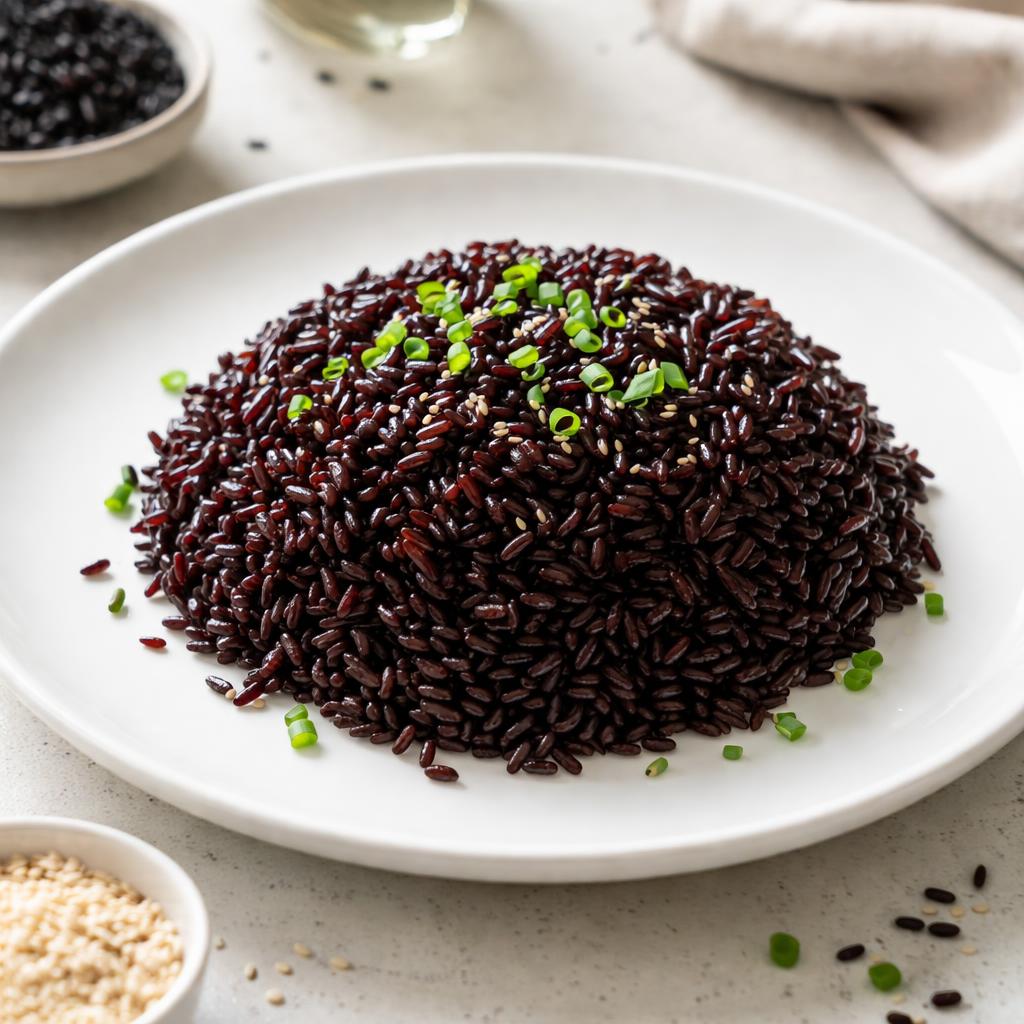
Black Rice
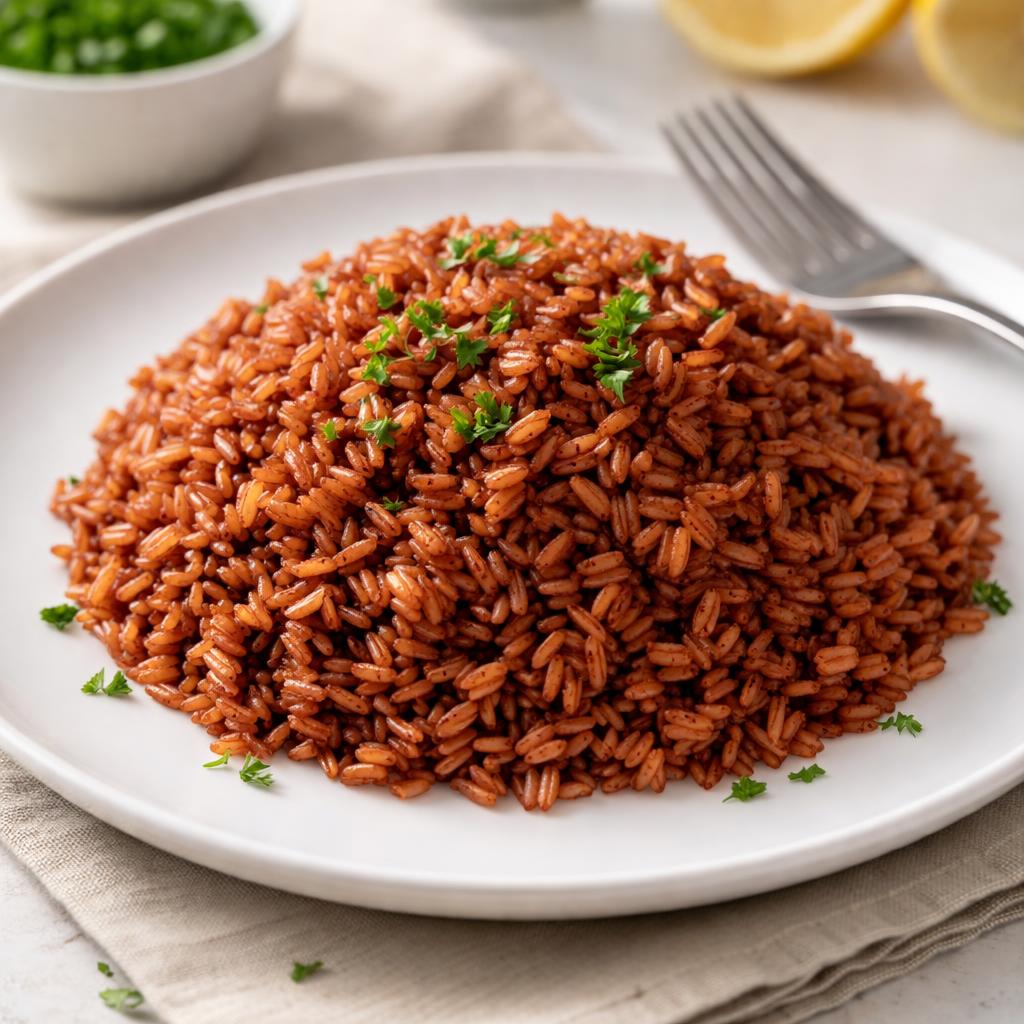
Cooked Red Rice
🎯 Quick Verdict
Black rice and cooked red rice provide excellent nutritional profiles but vary in specific strengths. Black rice is higher in fiber and antioxidants, while red rice offers slightly more protein. Both are vegan, gluten-free, and versatile for healthy diets, with black rice best suited for weight loss and red rice for athletes needing energy and recovery nutrition.

Smart Nutrition Tracking with SnapCalorie

📊 Nutritional Comparison
Macronutrients
| Nutrient | Food 1 | Food 2 | Winner |
|---|---|---|---|
| Calories | 160 | 160 | − |
| Protein | 4g | 5g | ✓ |
| Carbs | 34g | 34g | − |
| Fat | 1g | 2g | ✓ |
| Fiber | 2g | 1g | ✓ |
Vitamins & Minerals
| Nutrient | Food 1 | Food 2 | Winner |
|---|---|---|---|
| Vitamin B6 | 0.1mg | 0.12mg | ✓ |
| Magnesium | 80mg | 65mg | ✓ |
| Iron | 2mg | 0.8mg | ✓ |
| Zinc | 1mg | 0.6mg | ✓ |
🏆 Category Winners
Protein
Red rice offers 25% more protein per serving.
Fiber
Black rice has double the fiber content per serving.
Calories
Both foods have identical calorie counts, which are low for their nutrient density.
Vitamins
Black rice provides higher mineral content such as magnesium, iron, and zinc.
🥗 Diet Compatibility
Keto
Food 1: Not Compatible
Food 2: Not Compatible
Both are high-carb grains, unsuitable for keto.
Vegan
Food 1: Compatible
Food 2: Compatible
Both are plant-based grains.
Gluten Free
Food 1: Compatible
Food 2: Compatible
Neither contains gluten.
Paleo
Food 1: Not Compatible
Food 2: Not Compatible
Grains are excluded from strict paleo diets.
Low-Carb
Food 1: Not Compatible
Food 2: Not Compatible
Both have 34g of carbs, which is high for low-carb diets.
💪 Health Benefits Comparison
Food 1 Benefits
- Rich in antioxidants promoting cellular health.
- High fiber supports digestion and satiety.
- Contains magnesium for muscle and heart function.
- Good iron source for better oxygen transport.
Food 2 Benefits
- Higher protein supports muscle recovery and maintenance.
- Provides healthy fats for sustained energy.
- Rich in Vitamin B6 for brain health and metabolism.
- A good choice for athletes due to energy-dense nutrition.
✅ The Bottom Line
Choose black rice for weight loss, improved digestion, and high antioxidant protection. Opt for red rice if you need slightly higher protein and energy for workouts or recovery. Both are gluten-free and vegan-friendly, making them suitable inclusions for balanced diets.
Choose Food 1 for: Weight loss, high-fiber diets, antioxidant-rich meals
Choose Food 2 for: Athletes, protein-focused diets, energy-intensive lifestyles


