Black Rice VS Brown Basmati Rice
A detailed nutritional comparison
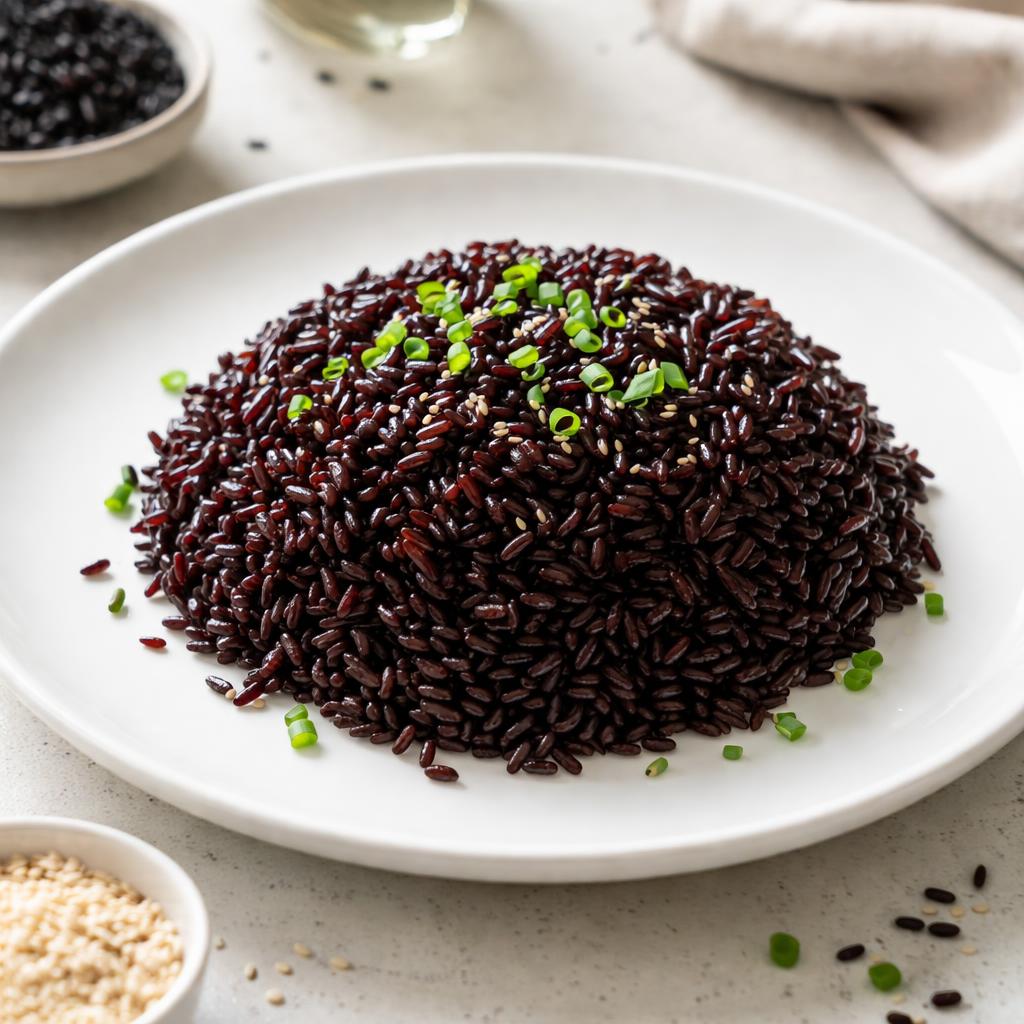
Black Rice
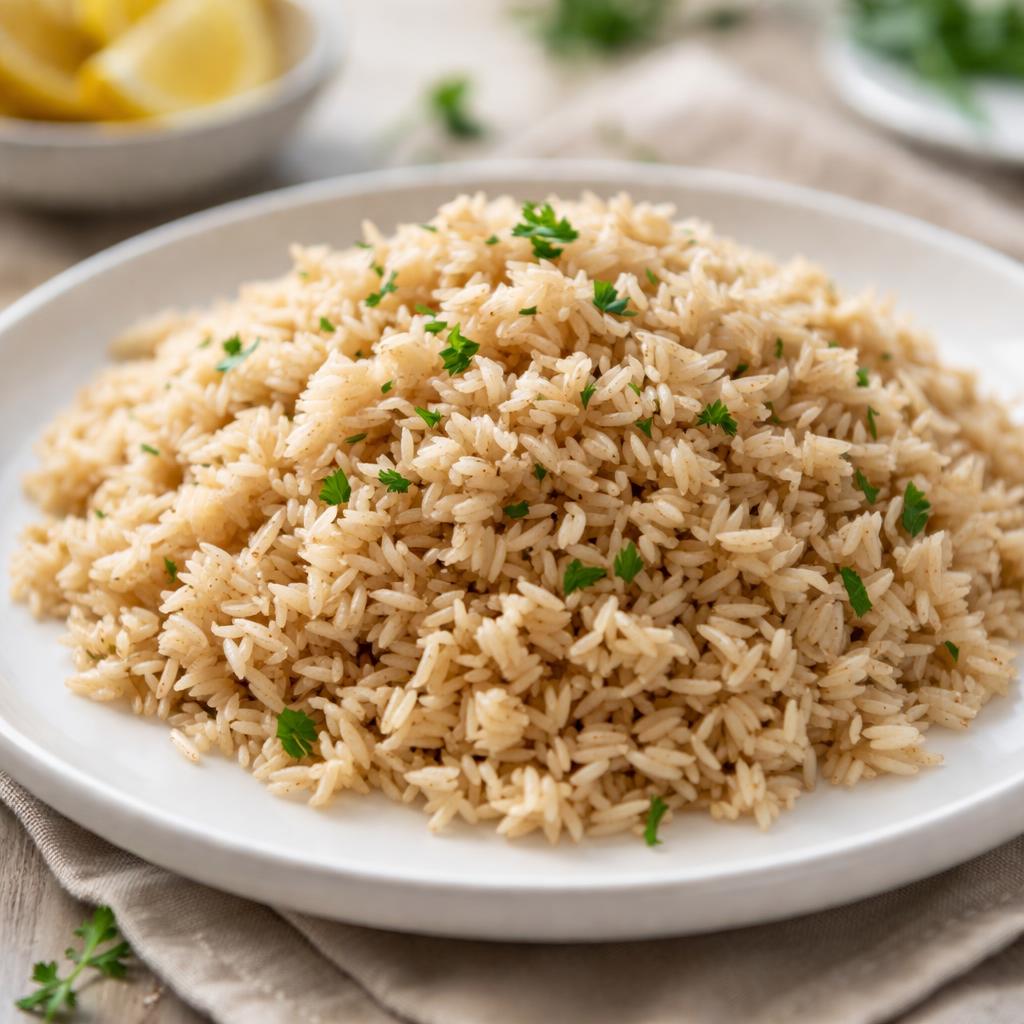
Brown Basmati Rice
🎯 Quick Verdict
Black rice is richer in fiber, antioxidants, and nutrients compared to brown basmati rice, making it a better choice for nutrient density and digestive health. Brown basmati rice is slightly lighter in texture with a nuttier flavor, ideal for dishes requiring long-grain rice consistency. Both are good sources of sustenance, with key differences in fiber and antioxidant content.

Smart Nutrition Tracking with SnapCalorie

📊 Nutritional Comparison
Macronutrients
| Nutrient | Food 1 | Food 2 | Winner |
|---|---|---|---|
| Calories | 160 | 160 | − |
| Protein | 4g | 4g | − |
| Carbs | 34g | 35g | ✓ |
| Fat | 1.5g | 1g | ✓ |
| Fiber | 2.9g | 1.5g | ✓ |
Vitamins & Minerals
| Nutrient | Food 1 | Food 2 | Winner |
|---|---|---|---|
| Vitamin E | 0.7mg | 0.3mg | ✓ |
| Magnesium | 80mg | 45mg | ✓ |
| Iron | 2.2mg | 0.5mg | ✓ |
🏆 Category Winners
Protein
Both black rice and brown basmati rice provide the same protein content: 4g per serving.
Fiber
Black rice provides nearly double the fiber (2.9g vs 1.5g), which is beneficial for digestion.
Calories
Both foods contain the same calorie content per serving (160 calories).
Vitamins
Black rice is higher in vitamin E, magnesium, and iron compared to brown basmati rice.
🥗 Diet Compatibility
Keto
Food 1: Not Compatible
Food 2: Not Compatible
Both are high in carbs and not suited for a ketogenic diet.
Vegan
Food 1: Compatible
Food 2: Compatible
Both are plant-based and safe for vegans.
Gluten Free
Food 1: Compatible
Food 2: Compatible
Neither black rice nor brown basmati rice contains gluten.
Paleo
Food 1: Compatible
Food 2: Compatible
Both are compatible with the paleo diet due to their whole-grain status.
Low-Carb
Food 1: Not Compatible
Food 2: Not Compatible
Both foods have moderate to high carb content.
💪 Health Benefits Comparison
Food 1 Benefits
- Rich in antioxidants for cellular health
- High fiber content for improved digestion
- Contains essential minerals like magnesium and iron
- Supports heart health with anti-inflammatory properties
Food 2 Benefits
- Good source of energy from complex carbohydrates
- Provides a nuttier flavor and aromatic profile for flavorful dishes
- Contains small amounts of iron and magnesium
- Low fat content, supporting heart health
✅ The Bottom Line
Choose black rice for its higher fiber, antioxidant content, and richer nutrient profile, making it ideal for better digestion and overall health. Opt for brown basmati rice for dishes requiring long-grain rice and a lighter texture, as well as a slightly nuttier taste profile.
Choose Food 1 for: Digestive health, antioxidant support, nutrient density
Choose Food 2 for: Flavorful dishes, versatile rice recipes, sustained energy


