Basmati Rice VS Rice Salad
A detailed nutritional comparison
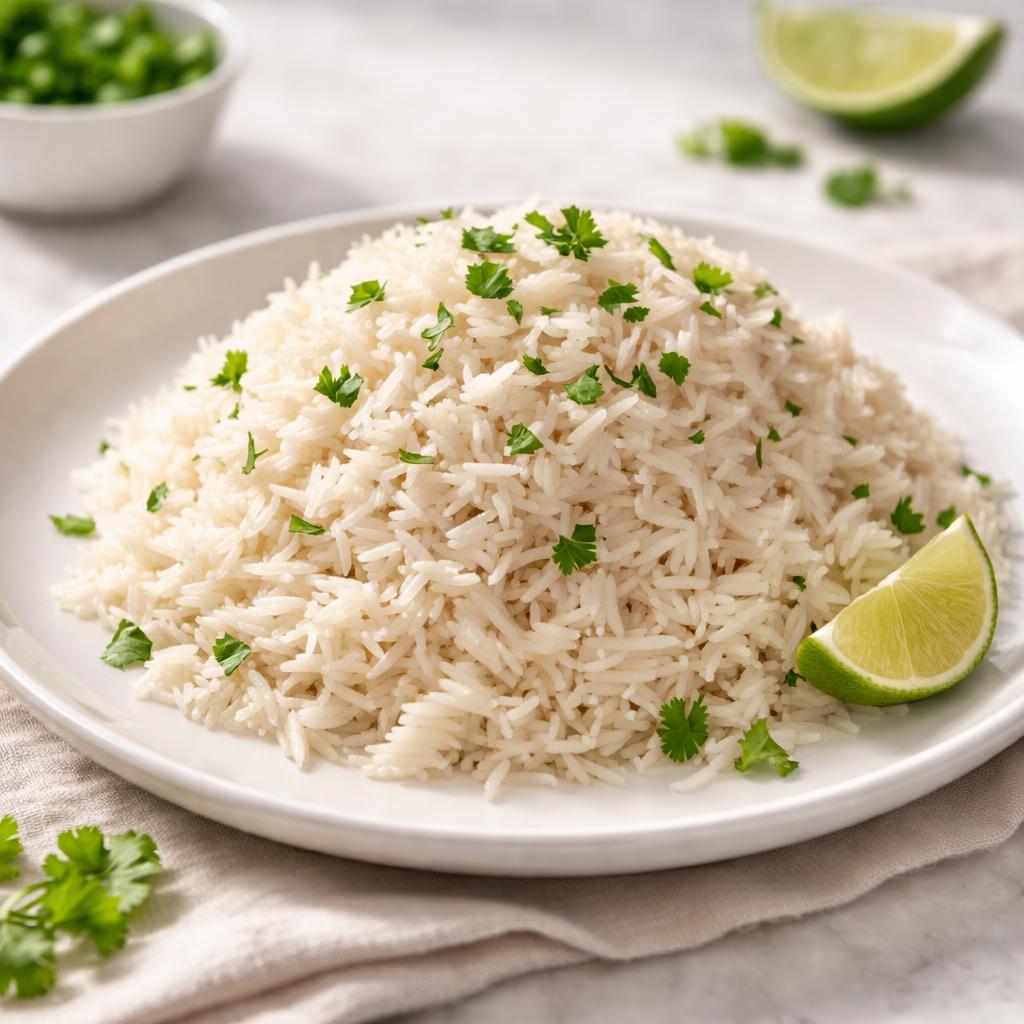
Basmati Rice
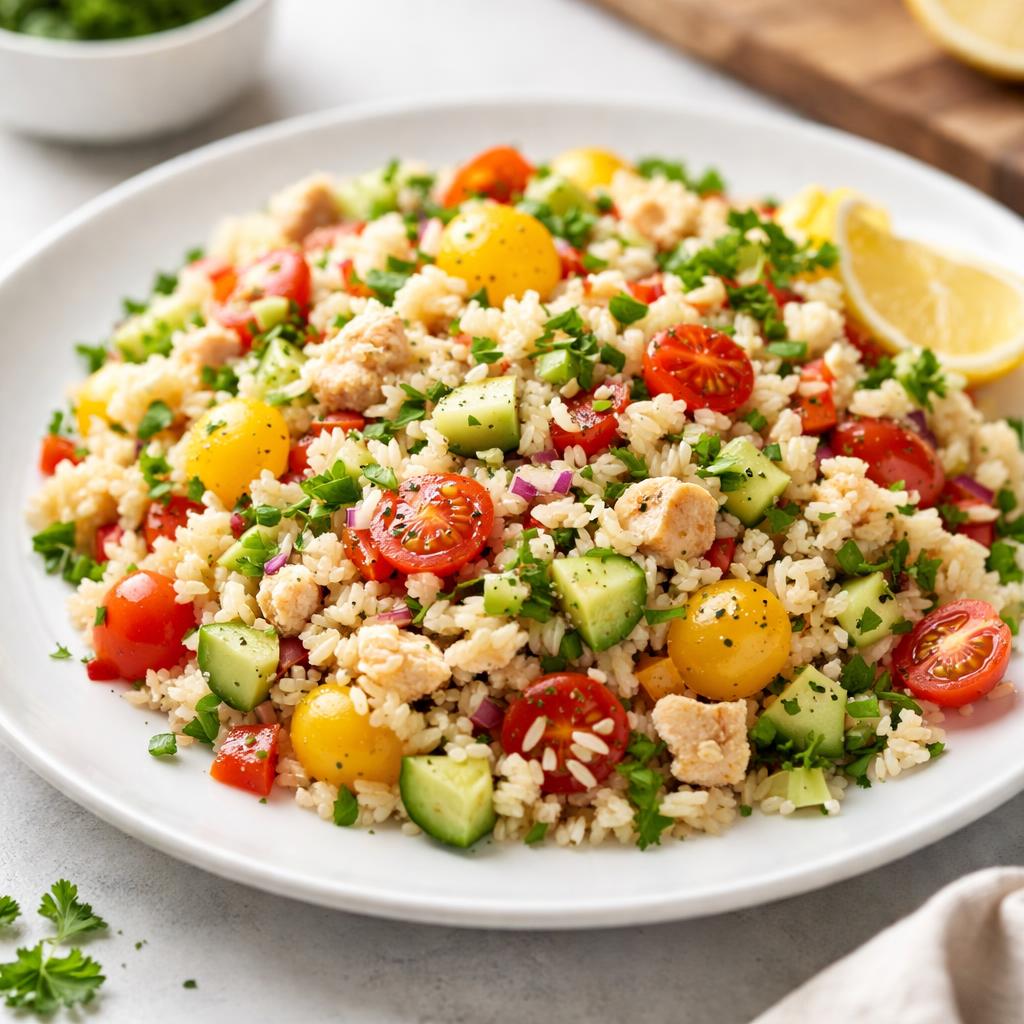
Rice Salad
🎯 Quick Verdict
Basmati rice is a simple and lower-calorie carb source ideal for those seeking clean energy and weight management. Rice salad, although higher in calories, offers greater nutritional diversity, including protein, fiber, and a range of vitamins, making it more nutrient-dense and versatile for balanced meals or post-workout recovery.

Smart Nutrition Tracking with SnapCalorie

📊 Nutritional Comparison
Macronutrients
| Nutrient | Food 1 | Food 2 | Winner |
|---|---|---|---|
| Calories | 160 (per 1 cup cooked) | 250 (per 1 cup prepared) | ✓ |
| Protein | 3.5g | 8g | ✓ |
| Carbs | 35g | 30g | ✓ |
| Fat | 0.5g | 12g | ✓ |
| Fiber | 0.7g | 4g | ✓ |
Vitamins & Minerals
| Nutrient | Food 1 | Food 2 | Winner |
|---|---|---|---|
| Vitamin C | 0mg | 15mg | ✓ |
| Vitamin D | 0mcg | 0mcg | − |
| Calcium | 5mg | 25mg | ✓ |
| Iron | 0.2mg | 1.5mg | ✓ |
🏆 Category Winners
Protein
Rice salad contains over twice the protein (8g vs. 3.5g).
Fiber
Rice salad provides more than 5x the fiber (4g vs. 0.7g).
Calories
Basmati rice has lower calories per serving (160 vs. 250).
Vitamins
Rice salad offers significantly higher levels of Vitamin C, calcium, and iron.
🥗 Diet Compatibility
Keto
Food 1: Not Compatible
Food 2: Not Compatible
Both are high in carbohydrates.
Vegan
Food 1: Compatible
Food 2: Compatible
Both foods are plant-based.
Gluten Free
Food 1: Compatible
Food 2: Compatible
Neither food contains gluten.
Paleo
Food 1: Compatible
Food 2: Compatible
Both align with paleo principles if no processed ingredients are used.
Low Carb
Food 1: Not Compatible
Food 2: Not Compatible
Both foods are predominantly carbohydrate-based.
💪 Health Benefits Comparison
Food 1 Benefits
- Low-calorie option for energy balance
- Quick and easy digestible carbohydrate source
- Ideal for meal prepping or base for low-fat meals
Food 2 Benefits
- High in fiber for improved satiety and digestion
- Provides protein for muscle support and repair
- Rich in antioxidants and vitamins from added vegetables or ingredients
✅ The Bottom Line
Basmati rice is great for those seeking a simple, low-calorie carb source for energy and weight management. Choose rice salad if your goal is nutrient density, higher protein, and a more balanced meal, especially for post-workout recovery or heart health. Both foods serve different purposes depending on dietary needs.
Choose Food 1 for: Weight loss, carb-loading, minimal fat diets
Choose Food 2 for: Balanced meals, muscle recovery, overall nutrient diversity


