Barley VS Cooked Buckwheat
A detailed nutritional comparison
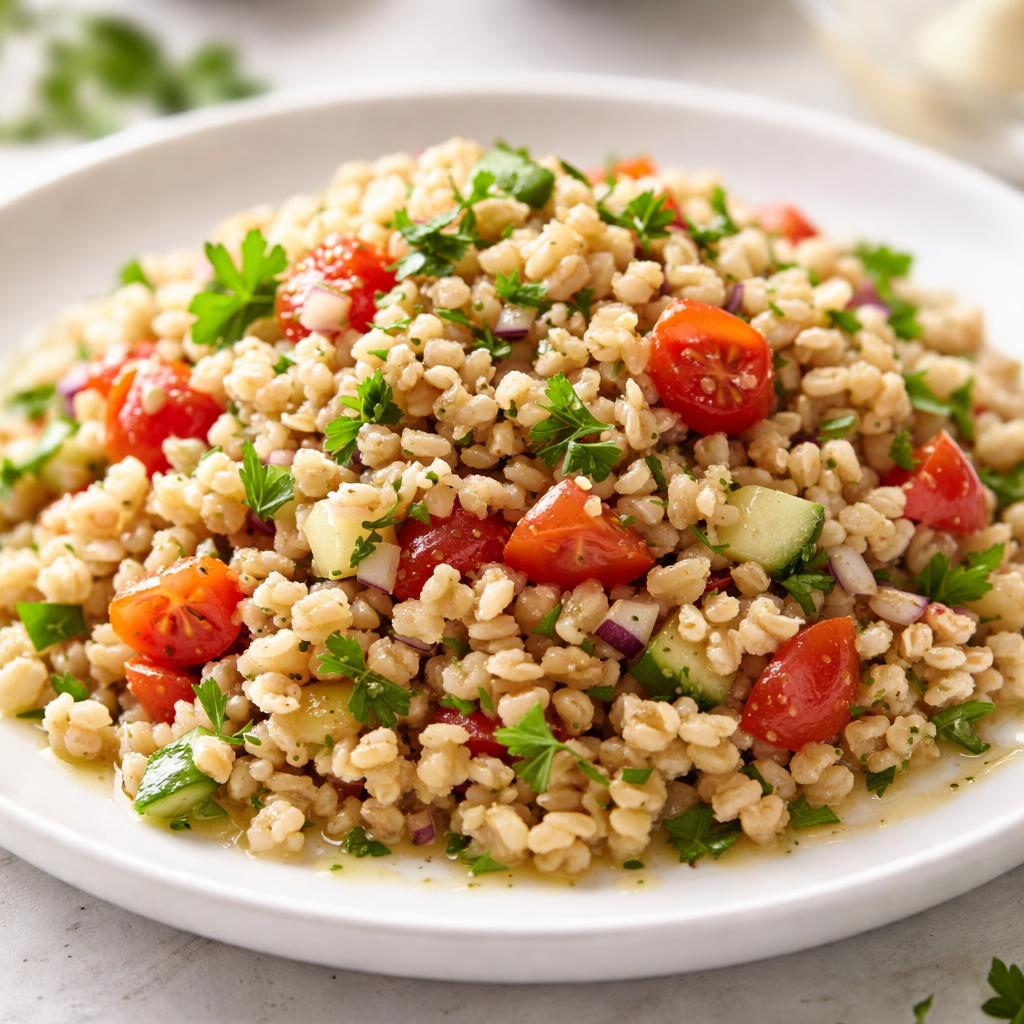
Barley
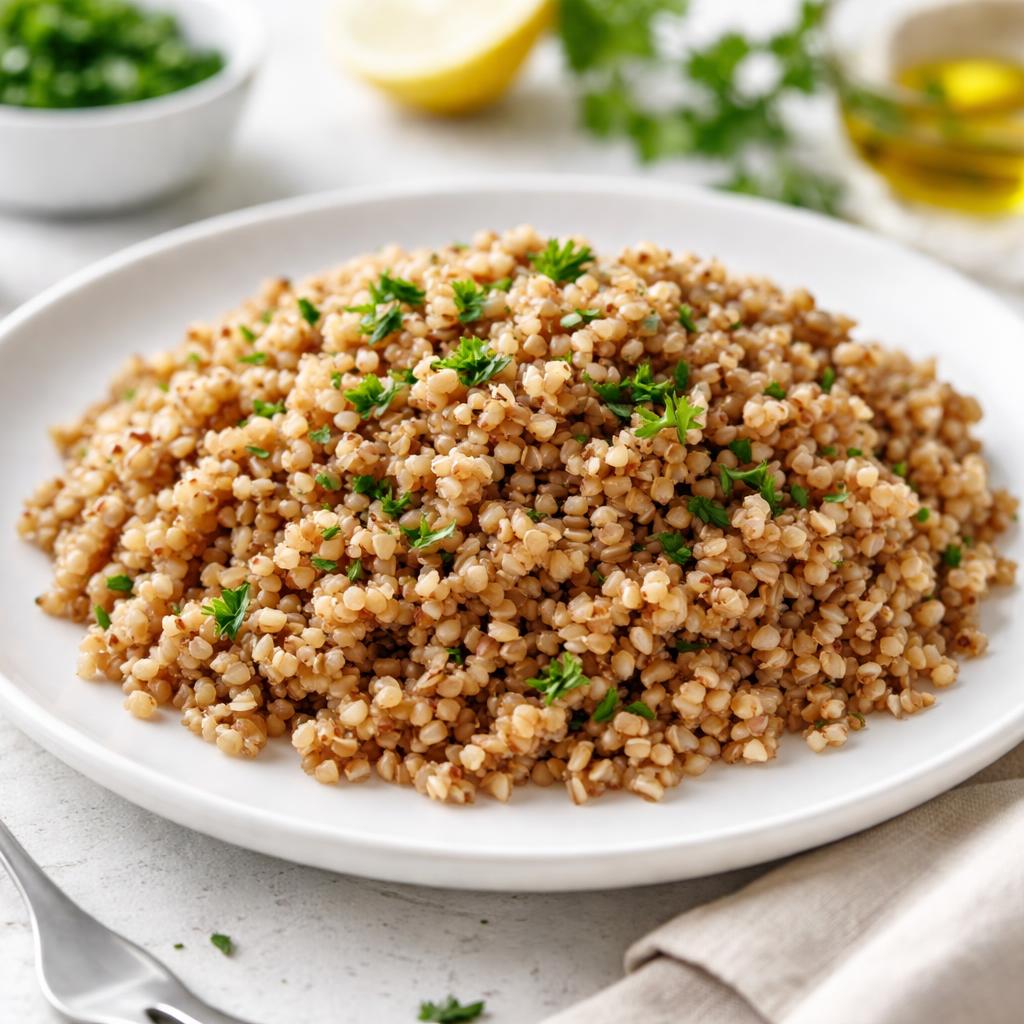
Cooked Buckwheat
🎯 Quick Verdict
Barley and cooked buckwheat are nutritious grains with distinct profiles. Barley is higher in protein and fiber, making it an excellent choice for a filling addition to meals and improved digestion. Cooked buckwheat shines with its lower calorie count and gluten-free nature, making it ideal for weight management and individuals with gluten sensitivities.

Smart Nutrition Tracking with SnapCalorie

📊 Nutritional Comparison
Macronutrients
| Nutrient | Food 1 | Food 2 | Winner |
|---|---|---|---|
| Calories | 193 | 154 | ✓ |
| Protein | 3.5g | 3g | ✓ |
| Carbs | 44.3g | 33.5g | ✓ |
| Fat | 0.7g | 0.6g | − |
| Fiber | 6g | 4.5g | ✓ |
Vitamins & Minerals
| Nutrient | Food 1 | Food 2 | Winner |
|---|---|---|---|
| Vitamin B2 (Riboflavin) | 0.12mg | 0.06mg | ✓ |
| Magnesium | 35mg | 86mg | ✓ |
| Iron | 1.6mg | 2.2mg | ✓ |
🏆 Category Winners
Protein
Barley contains slightly more protein per serving, which is beneficial for muscle maintenance.
Fiber
Barley offers 33% more fiber, making it better for digestion.
Calories
Cooked buckwheat has 20% fewer calories than barley per serving.
Vitamins
Cooked buckwheat is richer in key minerals like magnesium and iron, which support bone health and energy production.
🥗 Diet Compatibility
Keto
Food 1: Not Compatible
Food 2: Not Compatible
Both are high in carbs and unsuitable for a keto diet.
Vegan
Food 1: Compatible
Food 2: Compatible
Both are plant-based and suitable for vegan diets.
Gluten Free
Food 1: Not Compatible
Food 2: Compatible
Buckwheat is naturally gluten-free, while barley contains gluten.
Paleo
Food 1: Not Compatible
Food 2: Not Compatible
Neither food fits into the paleo framework due to their grain content.
Low-Carb
Food 1: Not Compatible
Food 2: Not Compatible
Both grains are high in carbohydrates and not suitable for strict low-carb diets.
💪 Health Benefits Comparison
Food 1 Benefits
- Rich in protein and fiber for satiety and improved digestion
- Provides B vitamins for energy metabolism
- Contains antioxidants that support heart and immune health
Food 2 Benefits
- Gluten-free, making it ideal for individuals with sensitivities
- Higher in magnesium and iron to support muscle and nerve function
- Offers plant compounds with anti-inflammatory properties
✅ The Bottom Line
Choose barley when seeking higher protein and fiber for satiety or digestive health, but opt for cooked buckwheat when managing calorie intake or addressing gluten sensitivities. Both grains are nutrient-dense and versatile options for healthy diets.
Choose Food 1 for: High-fiber diets, digestive health, post-workout recovery
Choose Food 2 for: Weight management, gluten-free meals, sustained energy


