Banana VS Sweet Onion
A detailed nutritional comparison
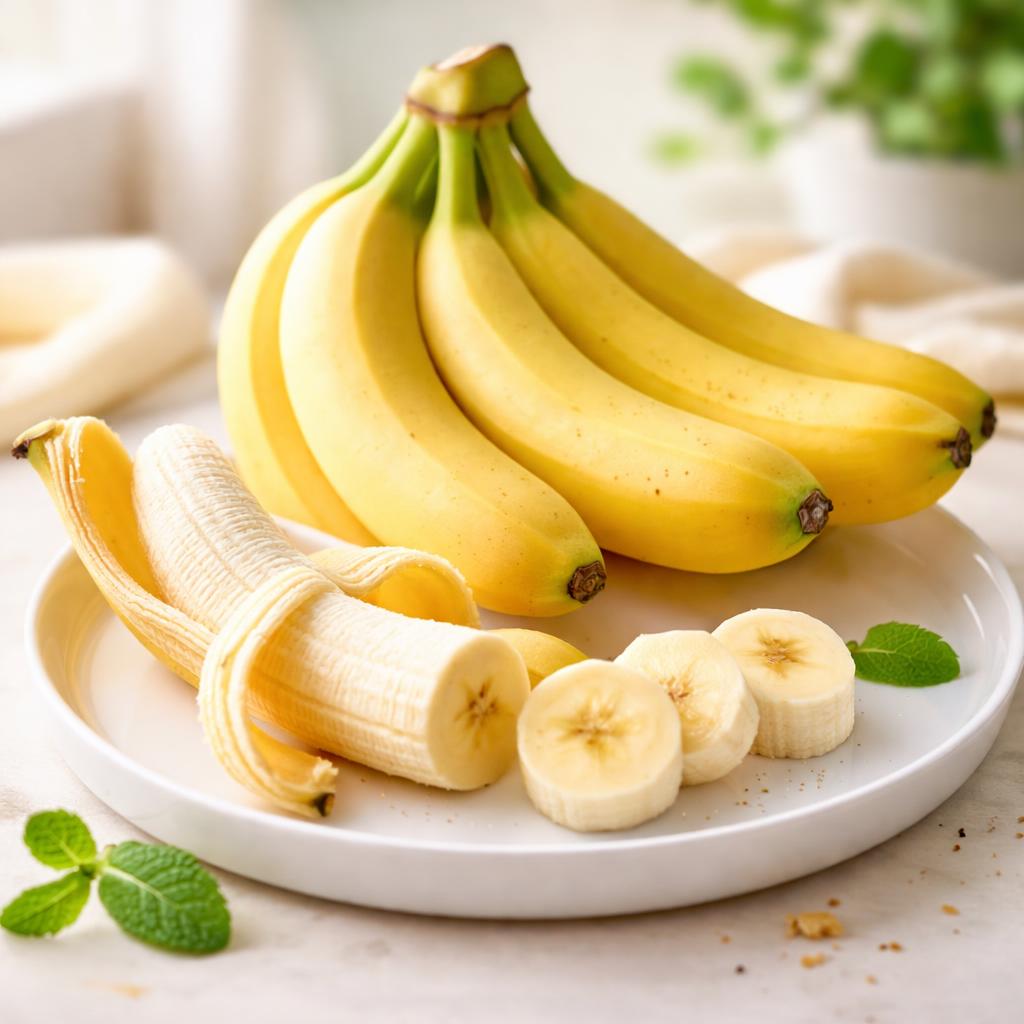
Banana
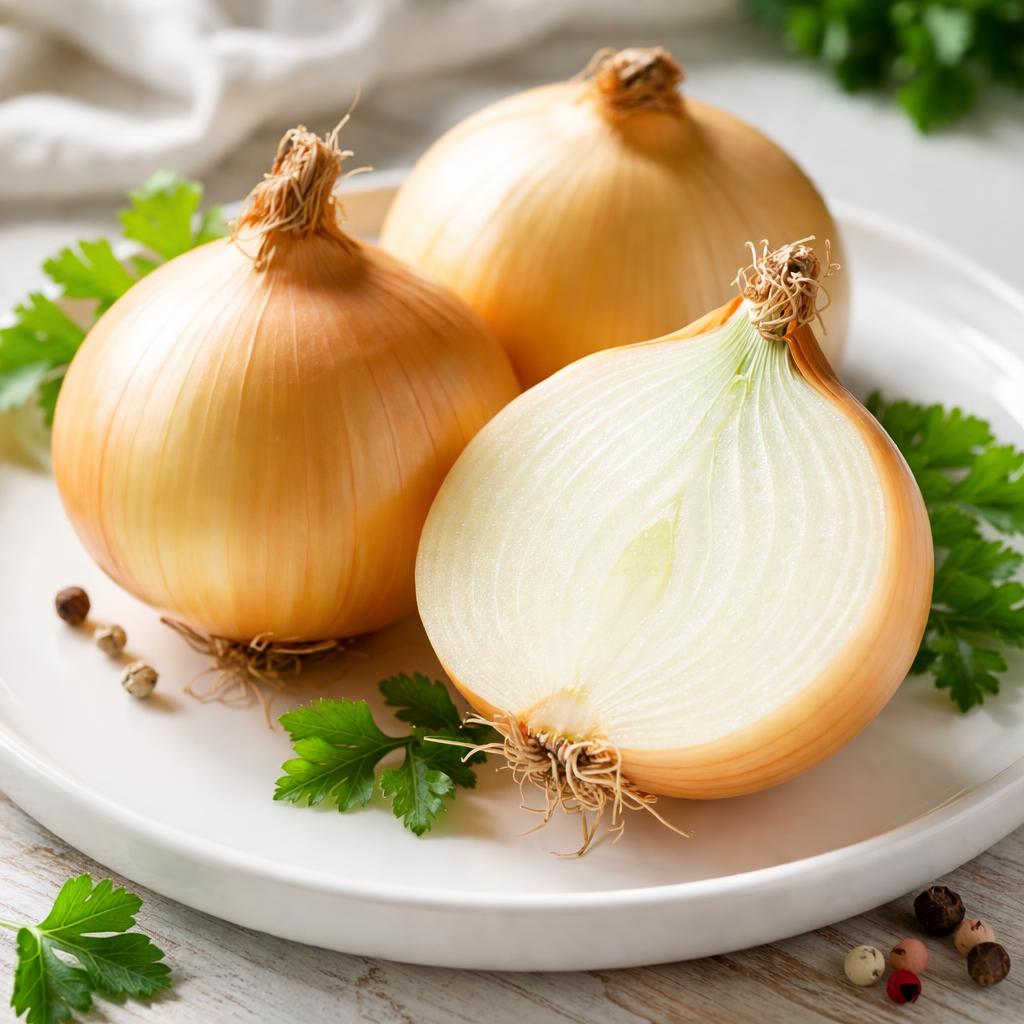
Sweet Onion
🎯 Quick Verdict
Bananas and sweet onions differ significantly in their nutritional profiles. Bananas are higher in calories, fiber, and sugar but offer more potassium and vitamin C. Sweet onions are lower in calories and sugar, making them suitable for low-carb diets, and they contain sulfur compounds beneficial for heart health. Bananas are ideal for energy and recovery, while onions excel in adding flavor and nutrients to dishes with minimal caloric impact.

Smart Nutrition Tracking with SnapCalorie

📊 Nutritional Comparison
Macronutrients
| Nutrient | Food 1 | Food 2 | Winner |
|---|---|---|---|
| Calories | 105 | 40 | ✓ |
| Protein | 1.3g | 1g | − |
| Carbs | 27g | 9g | ✓ |
| Fat | 0.3g | 0.1g | − |
| Fiber | 3.1g | 1.2g | ✓ |
Vitamins & Minerals
| Nutrient | Food 1 | Food 2 | Winner |
|---|---|---|---|
| Vitamin C | 10.3mg | 7.4mg | ✓ |
| Potassium | 422mg | 146mg | ✓ |
| Calcium | 6mg | 21mg | ✓ |
| Iron | 0.3mg | 0.1mg | ✓ |
🏆 Category Winners
Protein
Both foods have similar protein levels, suitable only for minimal intake.
Fiber
Bananas contain 2.6 times more fiber per serving.
Calories
Sweet onions have less than half the calories of bananas.
Vitamins
Bananas provide more vitamin C and potassium, while onions excel in calcium content.
🥗 Diet Compatibility
Keto
Food 1: Not Compatible
Food 2: Compatible
Bananas are high in carbs, while sweet onions have minimal carbs.
Vegan
Food 1: Compatible
Food 2: Compatible
Both are plant-based.
Gluten Free
Food 1: Compatible
Food 2: Compatible
Neither contains gluten.
Paleo
Food 1: Compatible
Food 2: Compatible
Both foods fit within paleo dietary guidelines.
Low Carb
Food 1: Not Compatible
Food 2: Compatible
Sweet onions have much fewer carbs compared to bananas.
💪 Health Benefits Comparison
Food 1 Benefits
- Provides quick energy with natural sugars
- High in potassium for electrolyte balance and muscle function
- Good source of fiber for improved digestion
Food 2 Benefits
- Contains sulfur compounds that support heart health and immunity
- Low in calories, suitable for weight management
- Provides small amounts of vitamin C and calcium for bone and immune health
✅ The Bottom Line
Choose bananas for a quick energy boost, dietary fiber, and post-workout recovery. Opt for sweet onions to flavor meals while maintaining low-calorie intake; they’re ideal for keto, low-carb, and heart-healthy diets.
Choose Food 1 for: Energy, exercise recovery, light meals/snacks
Choose Food 2 for: Low-carb diets, meal flavoring, heart health


