Banana VS Sweet Chilli Sauce
A detailed nutritional comparison
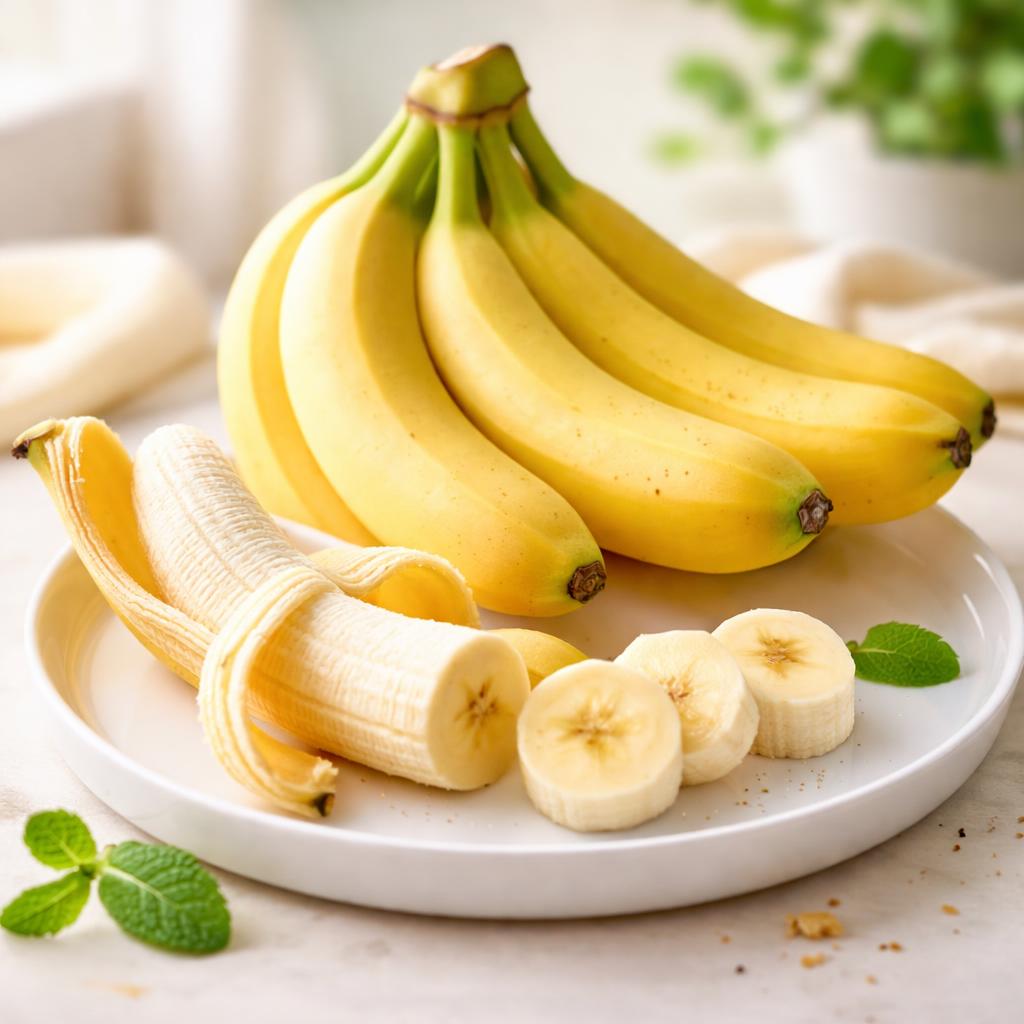
Banana
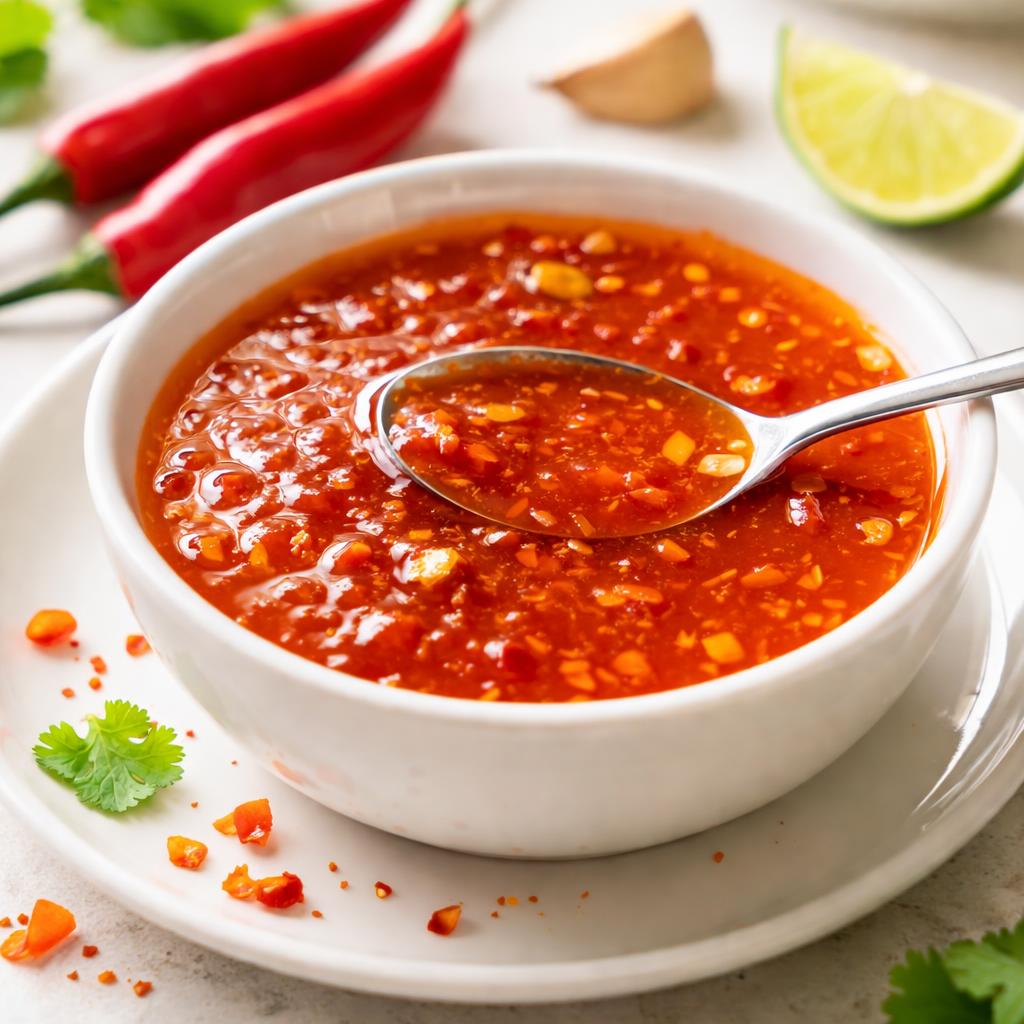
Sweet Chilli Sauce
🎯 Quick Verdict
Bananas are a more nutrient-dense option, providing essential vitamins, minerals, and fiber with fewer calories. Sweet chilli sauce, while flavorful, is calorie-dense and sugar-heavy, making it better suited for occasional use as a condiment rather than a standalone healthy food choice.

Smart Nutrition Tracking with SnapCalorie

📊 Nutritional Comparison
Macronutrients
| Nutrient | Food 1 | Food 2 | Winner |
|---|---|---|---|
| Calories | 105 (medium banana) | 60 (per tablespoon) | ✓ |
| Protein | 1.3g | 0.2g | − |
| Carbs | 27g | 15g | ✓ |
| Fat | 0.3g | 0g | ✓ |
| Fiber | 3.1g | 0g | ✓ |
Vitamins & Minerals
| Nutrient | Food 1 | Food 2 | Winner |
|---|---|---|---|
| Vitamin C | 10mg | 1.2mg | ✓ |
| Potassium | 422mg | 0mg | ✓ |
| Iron | 0.3mg | 0.2mg | ✓ |
| Vitamin A | 76IU | 2IU | ✓ |
🏆 Category Winners
Protein
Both foods provide minimal protein, so neither is dominant.
Fiber
Bananas offer 3.1g of fiber per serving, while sweet chilli sauce has none.
Calories
Sweet chilli sauce has more calories per tablespoon when compared to its sugar-heavy serving size.
🥗 Diet Compatibility
Keto
Food 1: Not Compatible
Food 2: Not Compatible
Both are too high in carbs to fit a ketogenic diet.
Vegan
Food 1: Compatible
Food 2: Compatible
Neither contains animal products.
Gluten Free
Food 1: Compatible
Food 2: Depends on brand
Bananas are naturally gluten-free, but some sweet chilli sauces may contain gluten from additives.
Paleo
Food 1: Compatible
Food 2: Not Compatible
Sauces typically contain refined sugars, which are avoided in paleo diets.
Low Carb
Food 1: Not Compatible
Food 2: Not Compatible
Both are carb-rich, with sweet chilli sauce having added sugars.
💪 Health Benefits Comparison
Food 1 Benefits
- Rich in potassium, supporting heart health and electrolyte balance
- Provides natural energy through healthy carbohydrates
- Good source of fiber for digestive health
- Contains vitamin C for immune function
Food 2 Benefits
- Flavor enhancer to encourage consumption of nutrient-dense meals
- Low fat and suitable for calorie-conscious use in moderation
- Provides minimal vitamin C
✅ The Bottom Line
Bananas are the clear winner in terms of nutrient density, providing much-needed fiber, potassium, and vitamins. Sweet chilli sauce, while tasty, should be limited to small amounts for flavoring due to its sugar content and lesser nutrient profile.
Choose Food 1 for: Snack options, workout recovery, digestion support
Choose Food 2 for: Adding flavor to meals in small quantities or occasional treat


