Banana VS Sweet
A detailed nutritional comparison
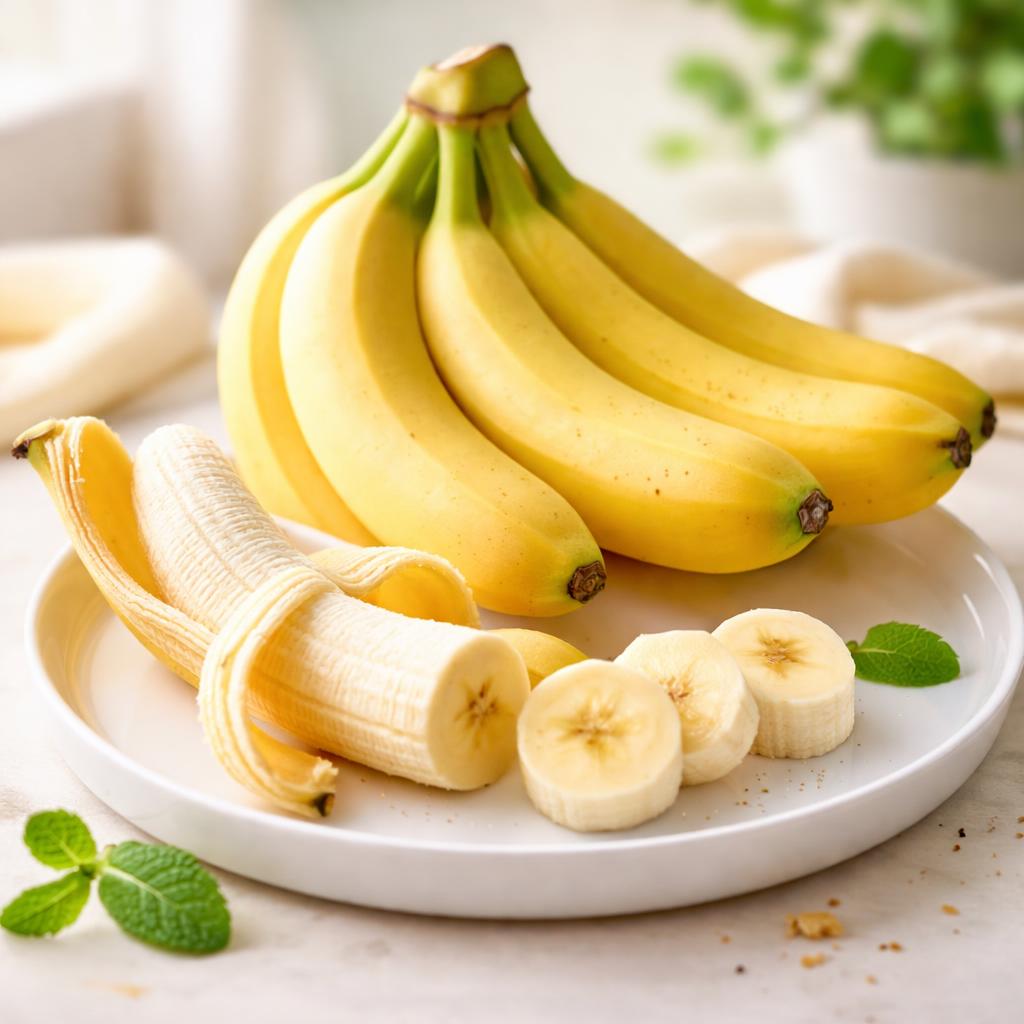
Banana

Sweet
🎯 Quick Verdict
Bananas are a naturally nutrient-dense fruit, offering more protein, fiber, and fewer calories compared to sweets, which are typically calorie-heavy and nutrient-poor. Bananas are ideal as a snack or pre-workout energy source, while sweets should be consumed sparingly due to their high sugar content and low nutritional value.

Smart Nutrition Tracking with SnapCalorie

📊 Nutritional Comparison
Macronutrients
| Nutrient | Food 1 | Food 2 | Winner |
|---|---|---|---|
| Calories | 105 | 250 | ✓ |
| Protein | 1.3g | 0g | ✓ |
| Carbs | 27g | 35g | ✓ |
| Fat | 0.3g | 10g | ✓ |
| Fiber | 3.1g | 0g | ✓ |
Vitamins & Minerals
| Nutrient | Food 1 | Food 2 | Winner |
|---|---|---|---|
| Vitamin C | 10mg | 0mg | ✓ |
| Potassium | 422mg | 20mg | ✓ |
| Vitamin B6 | 0.4mg | 0mg | ✓ |
🏆 Category Winners
Protein
Bananas provide 1.3g of protein per serving, while sweets typically contain 0g protein.
Fiber
Bananas contain 3.1g of fiber, while sweets lack fiber entirely.
Calories
Bananas have 58% fewer calories compared to sweets.
Vitamins
Bananas are rich in Vitamin C, Potassium, and Vitamin B6, whereas sweets are low or lacking in key vitamins.
🥗 Diet Compatibility
Keto
Food 1: Not Compatible
Food 2: Not Compatible
Both foods are high in carbohydrates.
Vegan
Food 1: Compatible
Food 2: Compatible
Bananas and most sweets (if plant-based) are vegan-friendly.
Gluten Free
Food 1: Compatible
Food 2: Depends
Bananas are naturally gluten-free, but some sweets may contain gluten.
Paleo
Food 1: Compatible
Food 2: Not Compatible
Bananas fit the paleo diet, while processed sweets do not.
Low Carb
Food 1: Not Compatible
Food 2: Not Compatible
Both foods contain over 20g of carbs per serving.
💪 Health Benefits Comparison
Food 1 Benefits
- Rich in potassium for regulating blood pressure
- Provides Vitamin C for immune health
- Contains natural sugars for sustained energy
- Good source of dietary fiber for digestion
Food 2 Benefits
- Quick source of energy due to high sugar content
- Can satisfy sweet cravings
- If made with dark chocolate, may provide antioxidants
✅ The Bottom Line
Bananas are a healthier choice overall, offering essential nutrients, fiber, and fewer calories compared to sweets, which are high in calories and sugar. Choose bananas for sustained energy and nutrient density. Sweets are best reserved for occasional treats or when immediate energy is needed.
Choose Food 1 for: Pre-workout snack, digestion support, healthy snacking
Choose Food 2 for: Occasional indulgence, quick energy boost, satisfying sweet cravings


