Banana VS Protein Bar
A detailed nutritional comparison

Banana
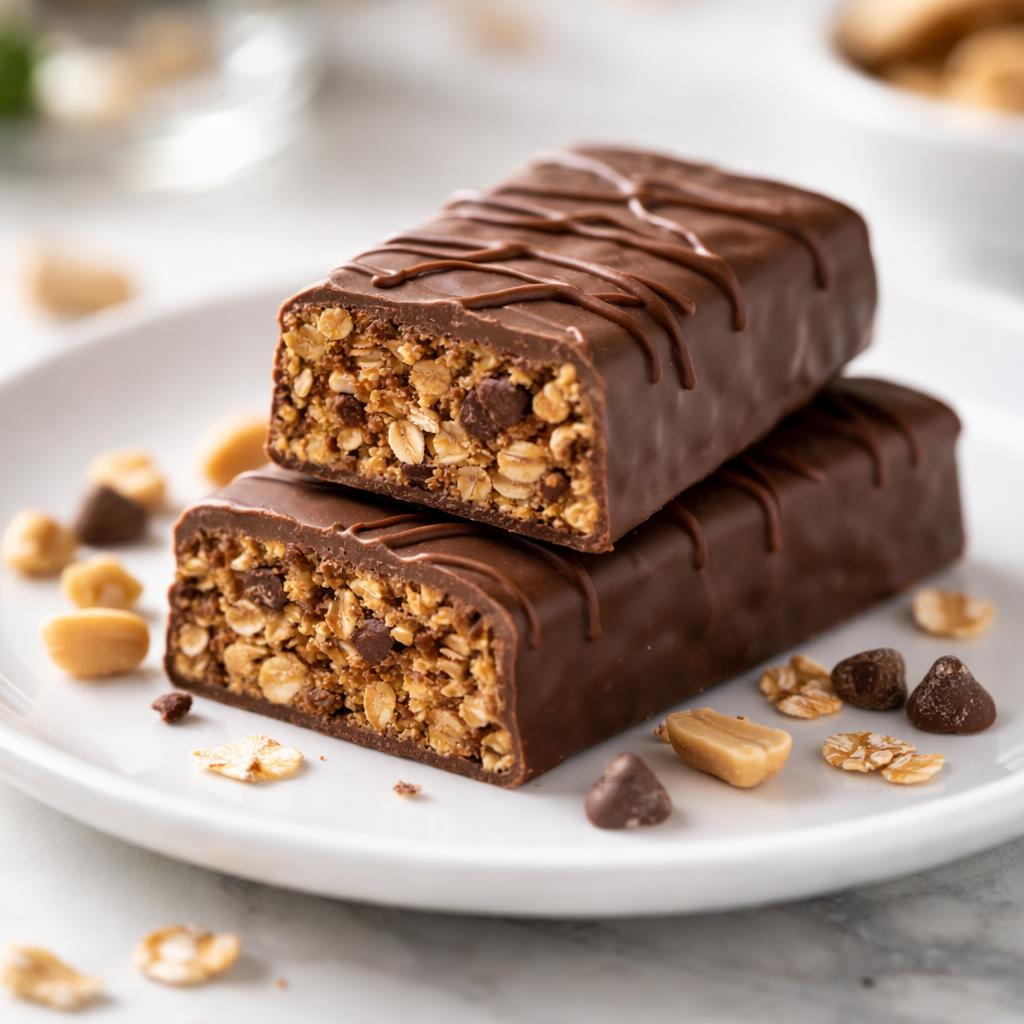
Protein Bar
🎯 Quick Verdict
Protein bars provide significantly more protein, making them ideal for active individuals or post-workout recovery. Bananas are higher in fiber, potassium, and natural sugars, offering quick energy and digestive health. Both have unique benefits depending on health goals, but protein bars lean toward fitness-focused needs while bananas serve as a nutrient-dense fruit option for everyday consumption.

Smart Nutrition Tracking with SnapCalorie

📊 Nutritional Comparison
Macronutrients
| Nutrient | Food 1 | Food 2 | Winner |
|---|---|---|---|
| Calories | 105 | 100-250 (varies by brand) | − |
| Protein | 1.3g | 10-20g (depending on formulation) | − |
| Carbs | 27g | 20-30g | − |
| Fat | 0.3g | 5-10g | − |
| Fiber | 3.1g | 1-3g | − |
Vitamins & Minerals
| Nutrient | Food 1 | Food 2 | Winner |
|---|---|---|---|
| Potassium | 422mg | 200mg (average) | − |
| Vitamin B6 | 0.4mg | 0.1-0.5mg | − |
| Vitamin C | 10mg | 0-2mg | − |
🏆 Category Winners
Protein
Protein bars may contain up to 20g of protein, far exceeding a banana's 1.3g.
Fiber
Bananas have 3.1g of fiber, which is higher than most protein bars (1-3g).
Calories
Both foods have similar calorie ranges, depending on the protein bar brand and type.
Vitamins
Bananas are naturally rich in potassium and vitamin C, which protein bars typically lack.
🥗 Diet Compatibility
Keto
Food 1: Not Compatible
Food 2: Compatible (varies by brand)
Protein bars often have low carb versions, while bananas are too high in carbs for keto.
Vegan
Food 1: Compatible
Food 2: Varies by brand
Bananas are naturally vegan, while some protein bars may contain animal-derived ingredients like whey.
Gluten Free
Food 1: Compatible
Food 2: Varies by brand
Bananas are naturally gluten-free, but some protein bars may contain gluten unless labeled as gluten-free.
Paleo
Food 1: Compatible
Food 2: Not Compatible
Bananas fit paleo guidelines while most protein bars contain processed ingredients not accepted in paleo diets.
Low-Carb
Food 1: Not Compatible
Food 2: Compatible (low-carb options available)
Bananas are high in carbohydrates, whereas some protein bars are formulated to be low in carbs.
💪 Health Benefits Comparison
Food 1 Benefits
- Rich in potassium to support heart and muscle health
- Boosts energy quickly with natural sugars
- Good source of fiber for improved digestion
- Contains antioxidants like dopamine for cellular health
Food 2 Benefits
- High in protein to support muscle repair and synthesis
- Convenient source of energy for busy individuals
- May contain added vitamins like B12 for metabolism support
- Some varieties include healthy fats for satiety and brain health
✅ The Bottom Line
Choose protein bars for high-protein, fitness-focused snacks or post-workout recovery. Opt for bananas as a natural, fiber-rich fruit for quick energy and nutrient density. Each food serves distinct purposes depending on diet and activity levels.
Choose Food 1 for: Daily snacking, digestive health, natural energy boost
Choose Food 2 for: Post-workout recovery, muscle building, on-the-go nutrition


