Banana VS Onion Soup
A detailed nutritional comparison
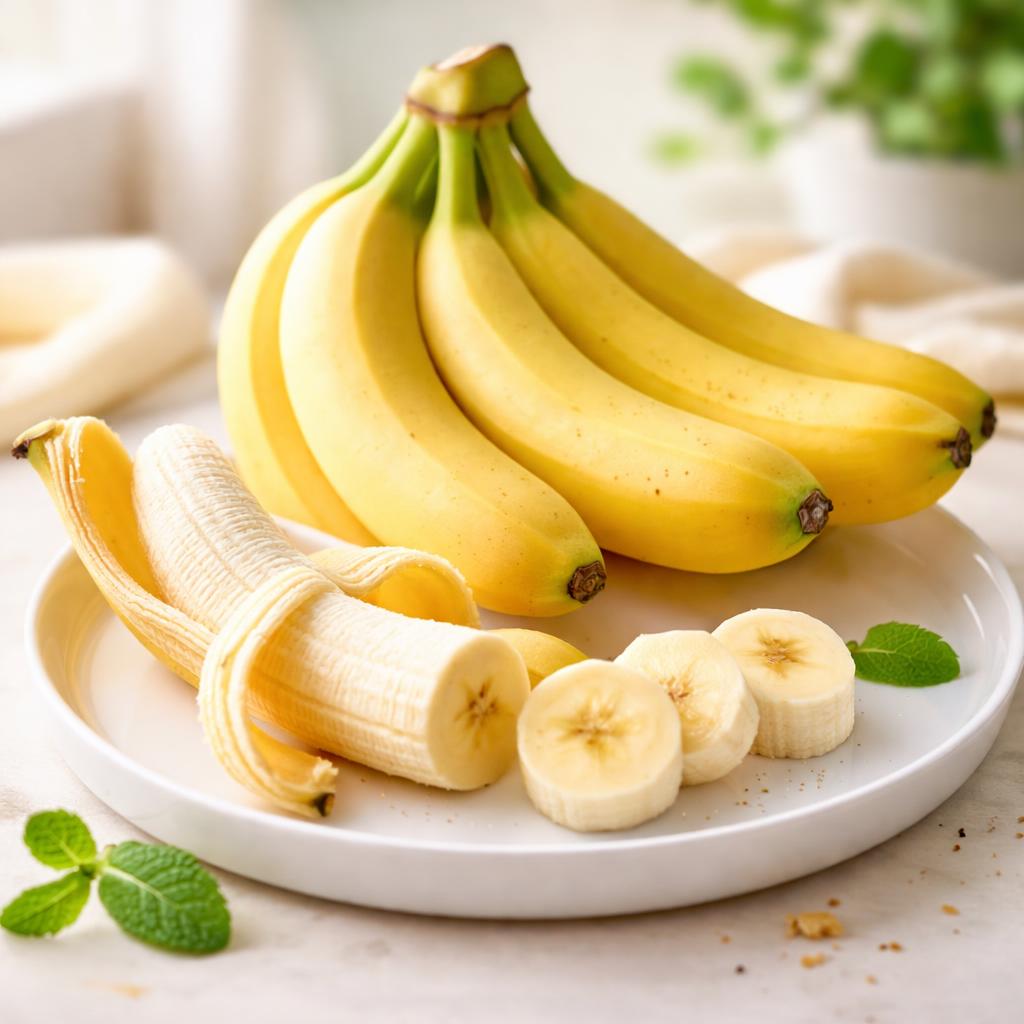
Banana
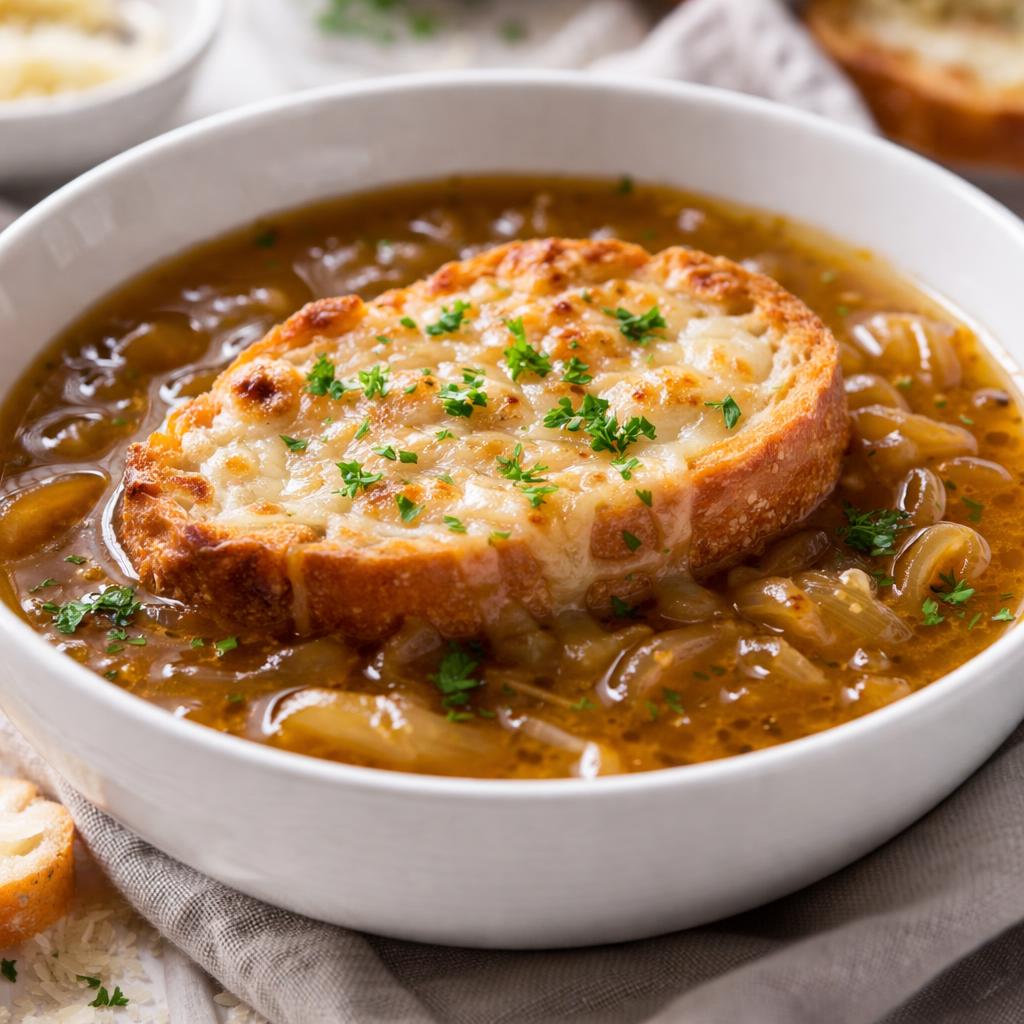
Onion Soup
🎯 Quick Verdict
Bananas and onion soup serve very different dietary purposes. Bananas provide more fiber and carbohydrates, making them an excellent choice for quick energy and digestion support. Onion soup is lower in calories but has higher protein and contains beneficial minerals. Each food fits specific dietary needs with unique strengths in nutrients and health benefits.

Smart Nutrition Tracking with SnapCalorie

📊 Nutritional Comparison
Macronutrients
| Nutrient | Food 1 | Food 2 | Winner |
|---|---|---|---|
| Calories | 105 | 75 | ✓ |
| Protein | 1g | 2g | ✓ |
| Carbs | 27g | 12g | ✓ |
| Fat | 0.3g | 2g | ✓ |
| Fiber | 3g | 1g | ✓ |
Vitamins & Minerals
| Nutrient | Food 1 | Food 2 | Winner |
|---|---|---|---|
| Vitamin D | 0mcg | 1mcg | ✓ |
| Calcium | 5mg | 30mg | ✓ |
| Potassium | 422mg | 150mg | ✓ |
| Iron | 0.3mg | 1mg | ✓ |
🏆 Category Winners
Protein
Onion soup contains twice the protein content compared to a banana.
Fiber
Bananas provide three times more fiber than onion soup.
Calories
Onion soup is lower in calories, with 25% fewer calories than bananas.
🥗 Diet Compatibility
Keto
Food 1: Not Compatible
Food 2: Compatible
Food2 is relatively low-carb, while bananas are high in carbohydrates.
Vegan
Food 1: Compatible
Food 2: Compatible
Both are suitable for a vegan diet.
Gluten Free
Food 1: Compatible
Food 2: Compatible
Neither food contains gluten, as long as soup uses GF ingredients.
Paleo
Food 1: Compatible
Food 2: Not Compatible
Bananas align with paleo guidelines, while processed onion soup typically does not.
Low Carb
Food 1: Not Compatible
Food 2: Compatible
Bananas are high in carbs, while onion soup is relatively low in carbs.
💪 Health Benefits Comparison
Food 1 Benefits
- Rich in potassium for heart and muscle function
- High in fiber to support digestion
- Natural source of carbohydrates for quick energy
Food 2 Benefits
- Low-calorie option for weight management
- Contains protein and healthy fats for satiety
- Provides antioxidants from onions to reduce inflammation
✅ The Bottom Line
Choose bananas for a quick energy boost, digestive health, and potassium intake. Opt for onion soup when looking for a low-calorie, slightly higher protein meal that provides warming comfort and beneficial antioxidants.
Choose Food 1 for: Quick energy, post-workout recovery, snack on-the-go
Choose Food 2 for: Weight management, light lunch or dinner, heart health support


