Banana VS Milk, 2%
A detailed nutritional comparison
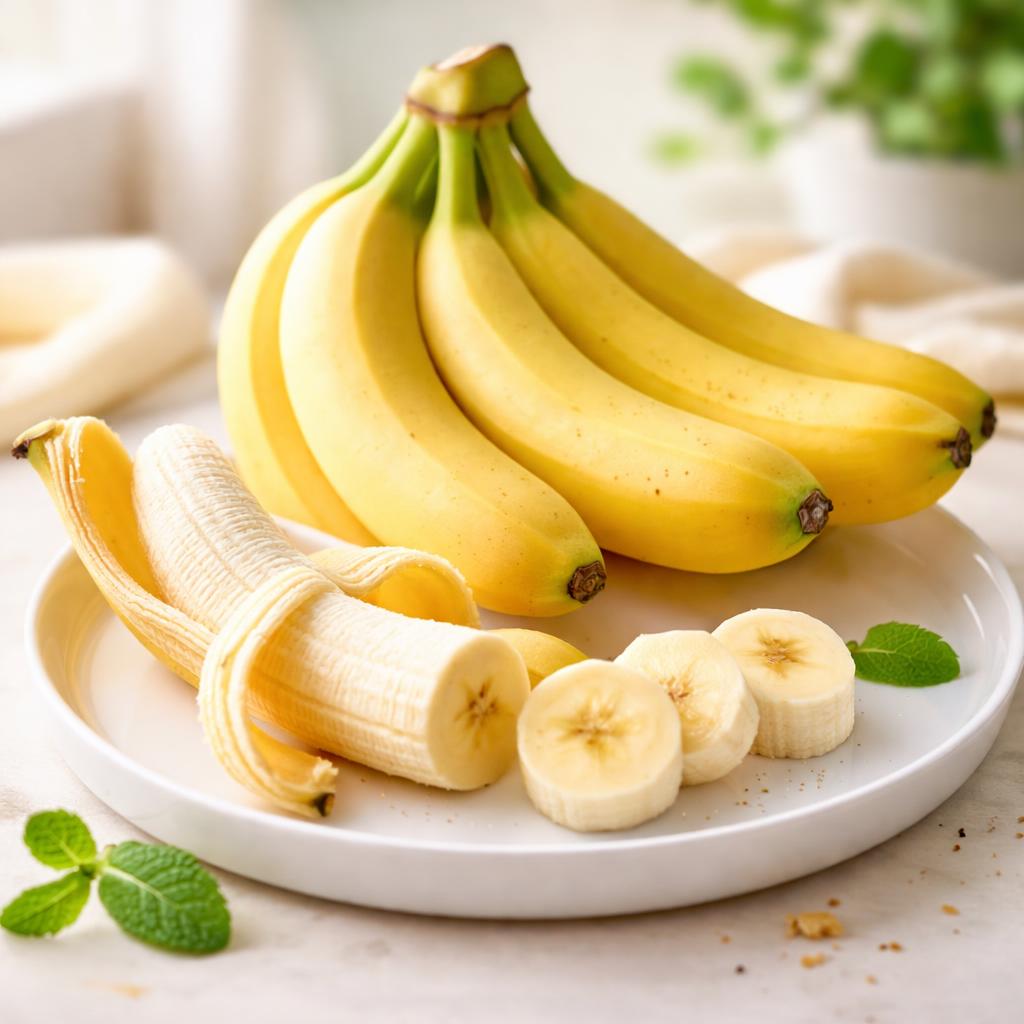
Banana

Milk, 2%
🎯 Quick Verdict
Bananas and 2% milk offer unique nutritional profiles. Bananas are higher in fiber and lower in calories, making them great for digestion and weight management. Milk is much higher in protein and provides more calcium, aligning well with muscle maintenance and bone health. The choice depends on individual dietary goals and needs.

Smart Nutrition Tracking with SnapCalorie

📊 Nutritional Comparison
Macronutrients
| Nutrient | Food 1 | Food 2 | Winner |
|---|---|---|---|
| Calories | 105 | 122 (per cup) | ✓ |
| Protein | 1.3g | 8g | ✓ |
| Carbs | 27g | 12g | ✓ |
| Fat | 0.3g | 5g | ✓ |
| Fiber | 3g | 0g | ✓ |
Vitamins & Minerals
| Nutrient | Food 1 | Food 2 | Winner |
|---|---|---|---|
| Vitamin D | 0mcg | 2.9mcg | ✓ |
| Calcium | 5mg | 300mg | ✓ |
| Iron | 0.3mg | 0.1mg | ✓ |
| Potassium | 422mg | 366mg | ✓ |
| Vitamin C | 10.3mg | 0mg | ✓ |
🏆 Category Winners
Protein
Milk provides significantly more protein than banana (8g vs 1.3g per serving).
Fiber
Banana is a rich source of dietary fiber (3g vs 0g).
Calories
Banana has fewer calories per serving (105 vs 122).
🥗 Diet Compatibility
Keto
Food 1: Not Compatible
Food 2: Compatible
Bananas are high in carbs, while 2% milk is lower-carb but still minimal in keto scope.
Vegan
Food 1: Compatible
Food 2: Not Compatible
Bananas are plant-based; milk is an animal product.
Gluten Free
Food 1: Compatible
Food 2: Compatible
Both foods are naturally gluten-free.
Paleo
Food 1: Compatible
Food 2: Not Compatible
Bananas align with paleo principles; milk does not due to dairy restrictions.
Low Carb
Food 1: Not Compatible
Food 2: Compatible
Milk is moderately low-carb whereas bananas have high carbohydrate levels.
💪 Health Benefits Comparison
Food 1 Benefits
- High in fiber for digestive health
- Rich source of potassium for muscle and nerve function
- Provides vitamin C to support immune system
- A natural, energy-boosting carbohydrate source
Food 2 Benefits
- Excellent source of protein for muscle repair and growth
- Rich in calcium and vitamin D for strong bones
- Contains healthy fats for sustained energy and satiety
- Supports hydration and electrolyte balance with potassium content
✅ The Bottom Line
Choose bananas for energy, digestion, and heart health, particularly before workouts or when controlling calories. Opt for 2% milk when prioritizing protein and calcium for muscle maintenance or bone strength. Each has distinct strengths based on dietary goals.
Choose Food 1 for: Weight management, digestive health, pre-workout energy
Choose Food 2 for: Bone health, muscle repair, nutrient density


