Banana VS Kalamata Olives
A detailed nutritional comparison
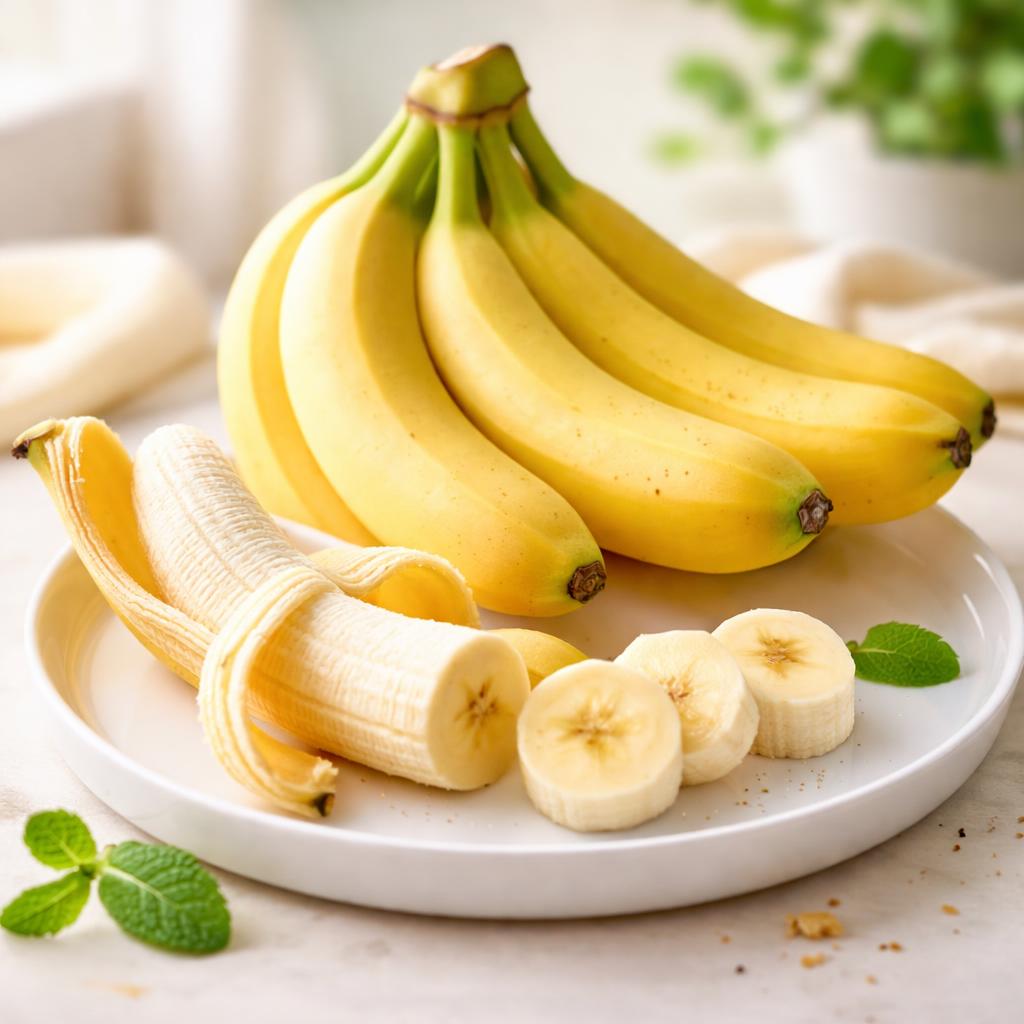
Banana
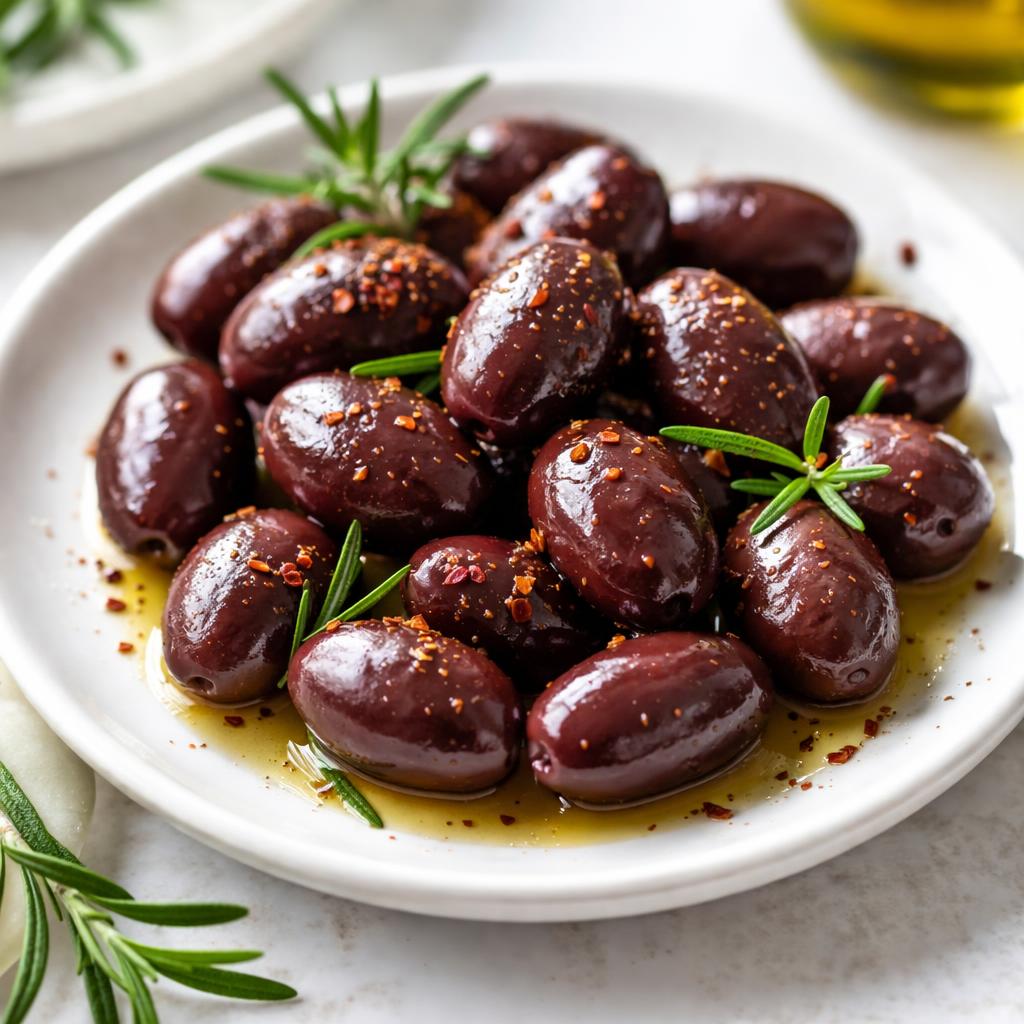
Kalamata Olives
🎯 Quick Verdict
Bananas are higher in fiber, lower in calories, and great for quick energy due to their natural sugars and carbohydrates. Kalamata olives offer higher protein and healthy fats, making them more suited to heart health and keto diets. The best choice depends on your health goals: energy boost vs nutrient density.

Smart Nutrition Tracking with SnapCalorie

📊 Nutritional Comparison
Macronutrients
| Nutrient | Food 1 | Food 2 | Winner |
|---|---|---|---|
| Calories | 105 | 230 | ✓ |
| Protein | 1.3g | 2g | ✓ |
| Carbs | 27g | 6g | ✓ |
| Fat | 0.3g | 22g | ✓ |
| Fiber | 3g | 1.9g | ✓ |
Vitamins & Minerals
| Nutrient | Food 1 | Food 2 | Winner |
|---|---|---|---|
| Vitamin C | 10.3mg | 0mg | ✓ |
| Vitamin A | 76IU | 403IU | ✓ |
| Vitamin K | 0.6mcg | 2.4mcg | ✓ |
🏆 Category Winners
Protein
Kalamata olives contain 54% more protein per serving compared to bananas.
Fiber
Bananas provide 58% more fiber than kalamata olives.
Calories
Bananas have less than half the calories of kalamata olives.
Vitamins
Bananas are richer in vitamin C, while kalamata olives have more vitamin A and K.
🥗 Diet Compatibility
Keto
Food 1: Not Compatible
Food 2: Compatible
Kalamata olives are low-carb and high-fat, ideal for keto diets, while bananas are high-carb.
Vegan
Food 1: Compatible
Food 2: Compatible
Both are plant-based foods suitable for vegan diets.
Gluten Free
Food 1: Compatible
Food 2: Compatible
Neither food contains gluten.
Paleo
Food 1: Compatible
Food 2: Compatible
Both align with paleo guidelines as unprocessed whole foods.
Low-Carb
Food 1: Not Compatible
Food 2: Compatible
Kalamata olives are a better choice for low-carb diets, with just 6g of carbs compared to 27g in bananas.
💪 Health Benefits Comparison
Food 1 Benefits
- Good source of quick energy and natural sugars
- Rich in fiber, helping digestion and gut health
- Provides vitamin C for immune support
Food 2 Benefits
- High in monounsaturated fats for heart health
- Rich in antioxidants to combat inflammation
- Contains vitamin A to support vision
✅ The Bottom Line
Choose bananas for quick energy, digestion support, and immune-boosting vitamin C. Opt for kalamata olives if you need healthy fats, protein, and a lower-carb option for heart health or keto diets. Both foods fit into various diets but serve different nutritional purposes.
Choose Food 1 for: Energy boost, digestion support, light snacking
Choose Food 2 for: Keto diets, heart health, nutrient-dense meals


