Banana VS Cooked Ham
A detailed nutritional comparison
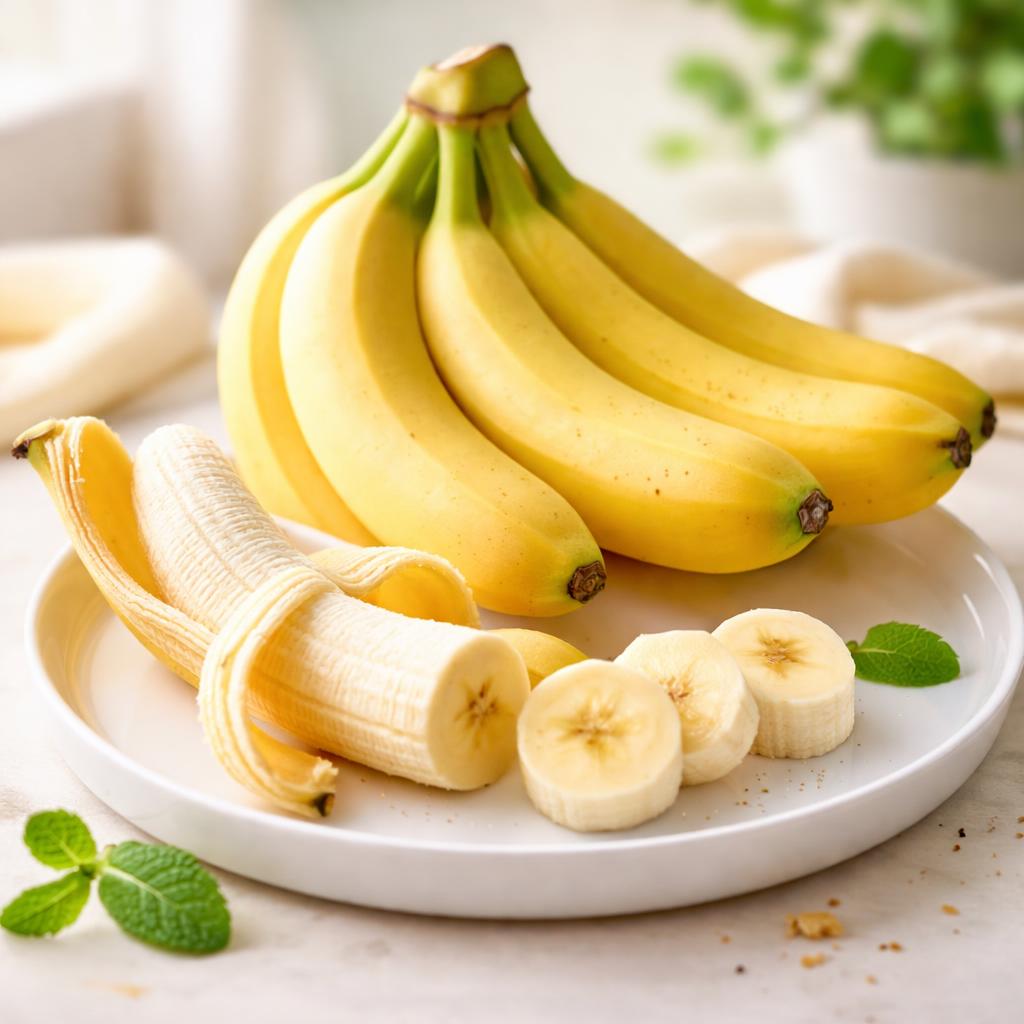
Banana

Cooked Ham
🎯 Quick Verdict
Bananas are a carbohydrate-rich fruit with significant fiber and potassium content, making them ideal for energy and digestion. Cooked ham, on the other hand, is a protein-dense food suitable for muscle repair and low-carb diets. Choose bananas for quick energy or ham for high protein needs, depending on your dietary goals.

Smart Nutrition Tracking with SnapCalorie

📊 Nutritional Comparison
Macronutrients
| Nutrient | Food 1 | Food 2 | Winner |
|---|---|---|---|
| Calories | 105 | 150 | ✓ |
| Protein | 1.3g | 16g | ✓ |
| Carbs | 27g | 1.5g | ✓ |
| Fat | 0.3g | 5g | ✓ |
| Fiber | 3g | 0g | ✓ |
Vitamins & Minerals
| Nutrient | Food 1 | Food 2 | Winner |
|---|---|---|---|
| Potassium | 422mg | 253mg | ✓ |
| Vitamin C | 10.3mg | 0mg | ✓ |
| Iron | 0.3mg | 0.7mg | ✓ |
🏆 Category Winners
Protein
Cooked ham is significantly higher in protein with 16g per serving, making it better for protein needs.
Fiber
Bananas provide 3g of fiber per serving while cooked ham contains none.
Calories
Bananas have 105 calories per serving, 30% fewer than 150 calories in cooked ham.
Vitamins
Bananas are richer in potassium (422mg vs 253mg) and vitamin C, a nutrient absent in cooked ham.
🥗 Diet Compatibility
Keto
Food 1: Not Compatible
Food 2: Compatible
Cooked ham is low-carb with 1.5g per serving, while bananas have 27g of carbs.
Vegan
Food 1: Compatible
Food 2: Not Compatible
Bananas are vegan-friendly as a plant-based food, while ham is animal-derived.
Gluten Free
Food 1: Compatible
Food 2: Compatible
Neither food contains gluten.
Paleo
Food 1: Compatible
Food 2: Compatible
Both foods fit paleo guidelines, though ham must be minimally processed.
Low-Carb
Food 1: Not Compatible
Food 2: Compatible
Cooked ham is low in carbs, making it suitable for low-carb diets, whereas bananas are carb-heavy.
💪 Health Benefits Comparison
Food 1 Benefits
- Rich in potassium, aiding muscle function and blood pressure regulation.
- Contains dietary fiber that supports digestion and gut health.
- Provides natural sugars for quick energy, ideal for pre- or post-workout.
Food 2 Benefits
- High in protein, promoting muscle repair and maintenance.
- Contains iron for oxygen transport in the blood.
- Low-carb and keto-compatible, supporting weight management and metabolic health.
✅ The Bottom Line
Choose bananas for energy, fiber, and vitamin C needs; they work well as a snack for fueling workouts or digestion. Cooked ham is the better option if you're seeking protein-rich and low-carb options, making it ideal for muscle maintenance or keto diets.
Choose Food 1 for: Energy boost, active lifestyles, digestion support
Choose Food 2 for: Muscle repair, low-carb diets, keto and paleo-friendly meals


