Banana VS Coco Pops
A detailed nutritional comparison
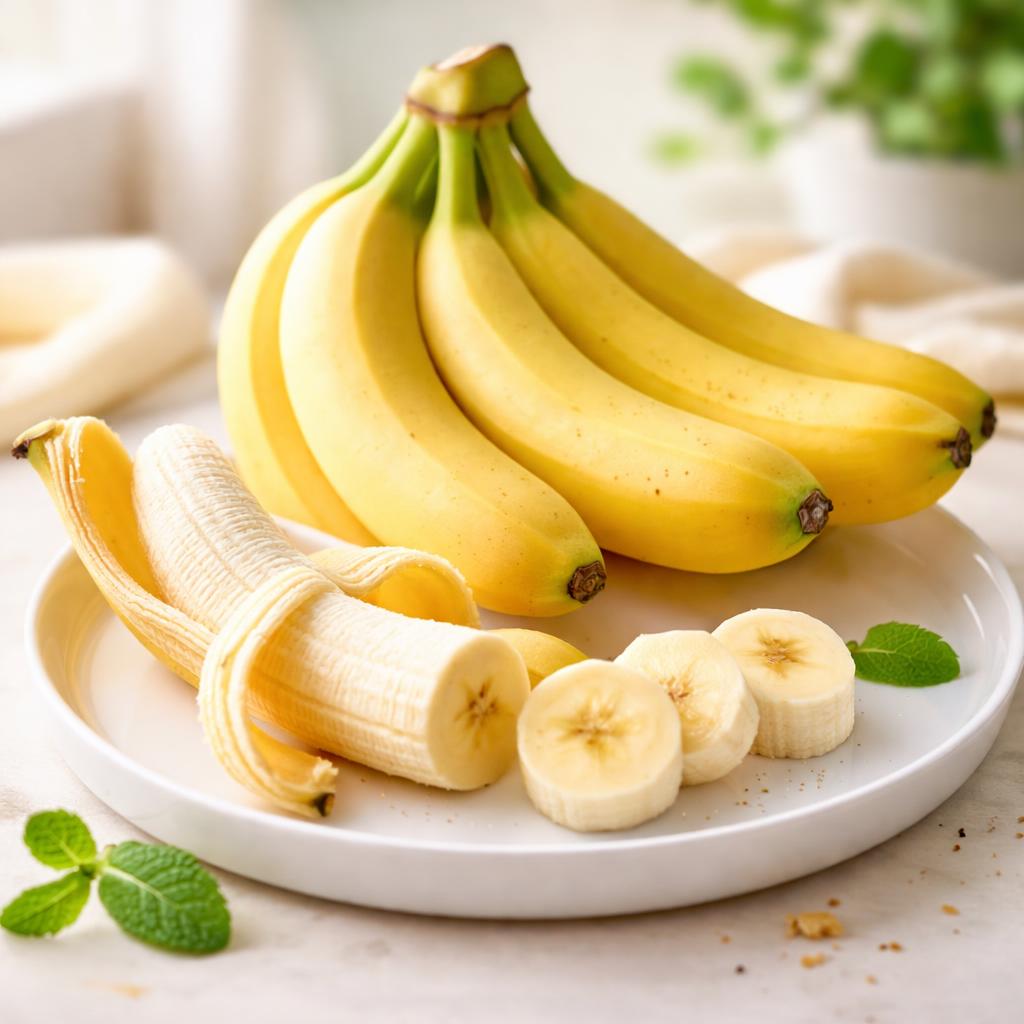
Banana

Coco Pops
🎯 Quick Verdict
Bananas are a nutrient-dense whole food rich in fiber and potassium, while Coco Pops are a processed cereal high in sugar and carbohydrates with limited protein and fiber. Bananas are an excellent choice for a natural energy boost and sustained digestive health, whereas Coco Pops may be better suited as a quick breakfast treat with added milk for some protein.

Smart Nutrition Tracking with SnapCalorie

📊 Nutritional Comparison
Macronutrients
| Nutrient | Food 1 | Food 2 | Winner |
|---|---|---|---|
| Calories | 105 | 150 | ✓ |
| Protein | 1.3g | 1.5g | − |
| Carbs | 27g | 35g | ✓ |
| Fat | 0.3g | 0.2g | ✓ |
| Fiber | 3.1g | 0.7g | ✓ |
Vitamins & Minerals
| Nutrient | Food 1 | Food 2 | Winner |
|---|---|---|---|
| Potassium | 422mg | 10mg | ✓ |
| Vitamin C | 10mg | 0mg | ✓ |
| Calcium | 6mg | 20mg (with milk) | ✓ |
| Iron | 0.3mg | 3.5mg | ✓ |
🏆 Category Winners
Protein
Both foods contain a similar amount of protein per serving.
Fiber
Banana delivers over 4x more fiber, supporting digestive health.
Calories
Banana has 30% fewer calories, making it a lighter option.
Vitamins
Bananas are rich in potassium and Vitamin C, unlike Coco Pops.
🥗 Diet Compatibility
Keto
Food 1: Not Compatible
Food 2: Not Compatible
Both are too high in carbohydrates for a ketogenic diet.
Vegan
Food 1: Compatible
Food 2: Compatible (without milk)
Both are plant-based unless Coco Pops are served with dairy milk.
Gluten Free
Food 1: Compatible
Food 2: Not Compatible
Coco Pops are typically made with gluten-containing ingredients, while bananas are naturally gluten-free.
Paleo
Food 1: Compatible
Food 2: Not Compatible
Bananas align with paleo guidelines, but processed cereals like Coco Pops do not.
Low-Carb
Food 1: Not Compatible
Food 2: Not Compatible
Both foods are high in carbohydrates and unsuitable for a low-carb diet.
💪 Health Benefits Comparison
Food 1 Benefits
- Rich in potassium, supporting heart health and muscle function
- Good source of fiber for improved digestion and regularity
- Contains natural sugars for sustained energy and workout recovery
- Provides vitamin C to strengthen the immune system
Food 2 Benefits
- Quick source of energy due to high carbohydrate content
- Contains some iron, which is important for red blood cell production
- Low in fat, making it a lighter option compared to other snacks
- Pairs well with milk to add protein for breakfast
✅ The Bottom Line
Choose bananas for their nutrient density, fiber content, and natural energy, especially for snack times or post-workout recovery. Opt for Coco Pops occasionally as a quick breakfast treat but pair it with milk or alternatives for balanced nutrition.
Choose Food 1 for: Healthy snacking, digestion improvement, post-workout recovery
Choose Food 2 for: Quick breakfast with added milk, occasional treat


