Banana VS 1 Banana
A detailed nutritional comparison
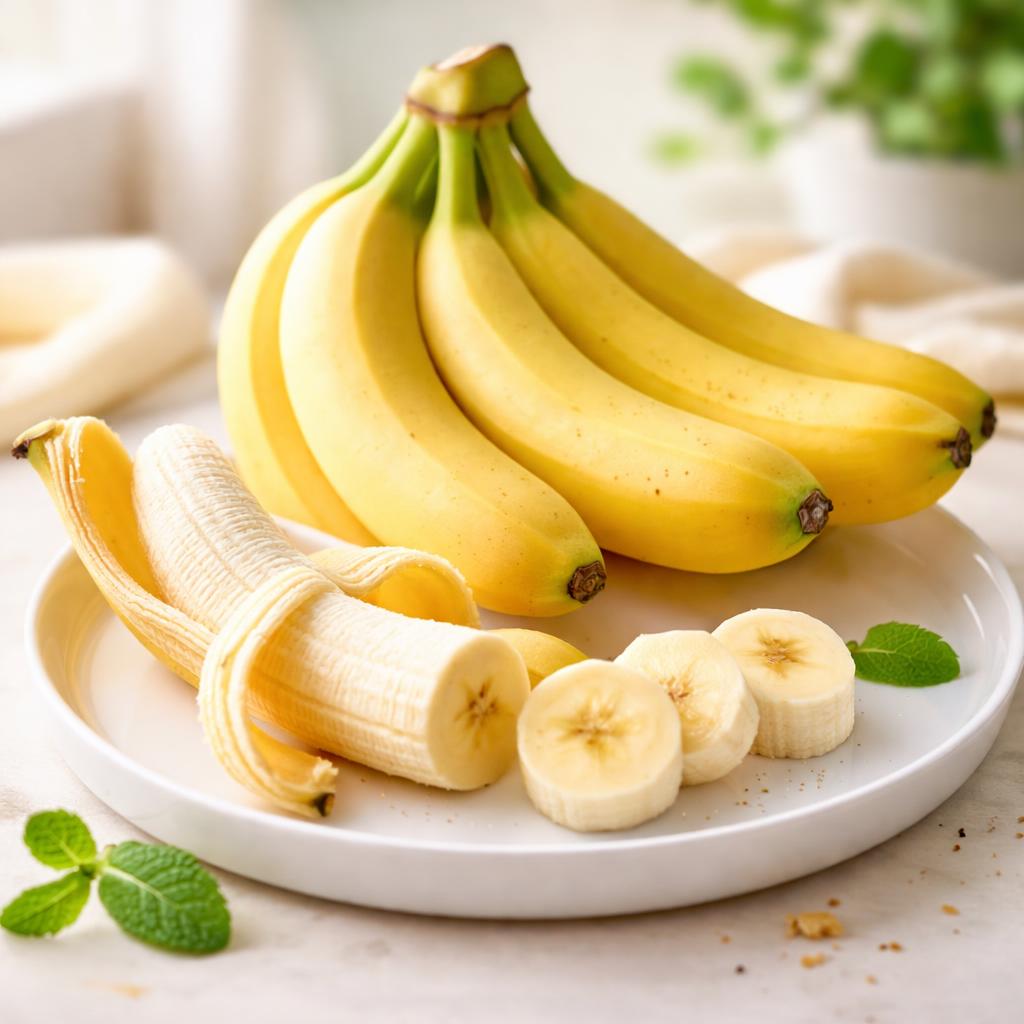
Banana

1 Banana
🎯 Quick Verdict
There are no nutritional differences between 'banana' and '1 banana,' as they refer to the same food in the same quantity. Both provide roughly 105 calories, 1 gram of protein, 3 grams of fiber, and are a good source of potassium and vitamin C. A banana is a versatile fruit that fits into a variety of dietary patterns such as plant-based, low-fat, and gluten-free diets.

Smart Nutrition Tracking with SnapCalorie

📊 Nutritional Comparison
Macronutrients
| Nutrient | Food 1 | Food 2 | Winner |
|---|---|---|---|
| Calories | 105 | 105 | − |
| Protein | 1.3g | 1.3g | − |
| Carbs | 27g | 27g | − |
| Fat | 0.3g | 0.3g | − |
| Fiber | 3g | 3g | − |
Vitamins & Minerals
| Nutrient | Food 1 | Food 2 | Winner |
|---|---|---|---|
| Vitamin C | 10.3mg | 10.3mg | − |
| Potassium | 422mg | 422mg | − |
| Vitamin B6 | 0.4mg | 0.4mg | − |
🏆 Category Winners
Protein
Equal amounts of protein at 1.3g per serving.
Fiber
Both provide 3g of fiber per serving.
Calories
Neither has a calorie advantage, both are 105 calories.
🥗 Diet Compatibility
Keto
Food 1: Not Compatible
Food 2: Not Compatible
Bananas are moderate-high in carbs (27g per serving).
Vegan
Food 1: Compatible
Food 2: Compatible
Bananas are entirely plant-based.
Gluten Free
Food 1: Compatible
Food 2: Compatible
Bananas naturally contain no gluten.
Paleo
Food 1: Compatible
Food 2: Compatible
Bananas align with paleo diets as a whole, unprocessed food.
Low Carb
Food 1: Not Compatible
Food 2: Not Compatible
Their 27g of carbs is too high for most low-carb diets.
💪 Health Benefits Comparison
Food 1 Benefits
- High in potassium to support blood pressure regulation
- Contains vitamin C for immune health
- Provides dietary fiber for digestive well-being
- Natural source of energy due to its carbohydrate content
Food 2 Benefits
- High in potassium to support muscular function
- Contains vitamin C for skin health and repair
- Rich in antioxidants to reduce oxidative stress
- Convenient snack that aids satiety and boosts energy levels
✅ The Bottom Line
There is no difference between 'banana' and '1 banana,' as it is the same food in the same serving size. Both are nutrient-dense, easy-to-eat fruits that can fit into various diets except keto or low-carb. Use them as quick energy sources, digestive aids, or natural ways to support heart and immune health.
Choose Food 1 for: General health, quick energy, digestive support
Choose Food 2 for: Same: general health, quick energy, digestive support


