Avocado VS Potato
A detailed nutritional comparison
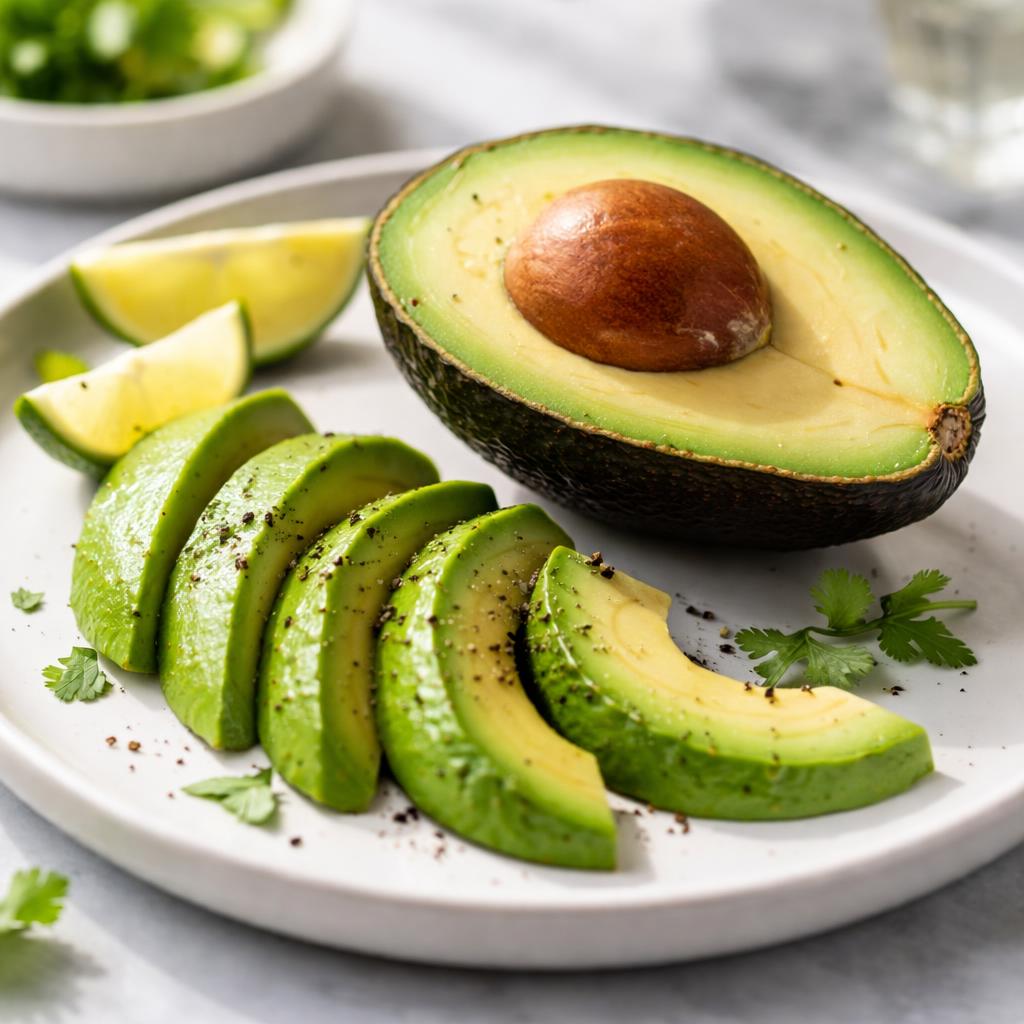
Avocado
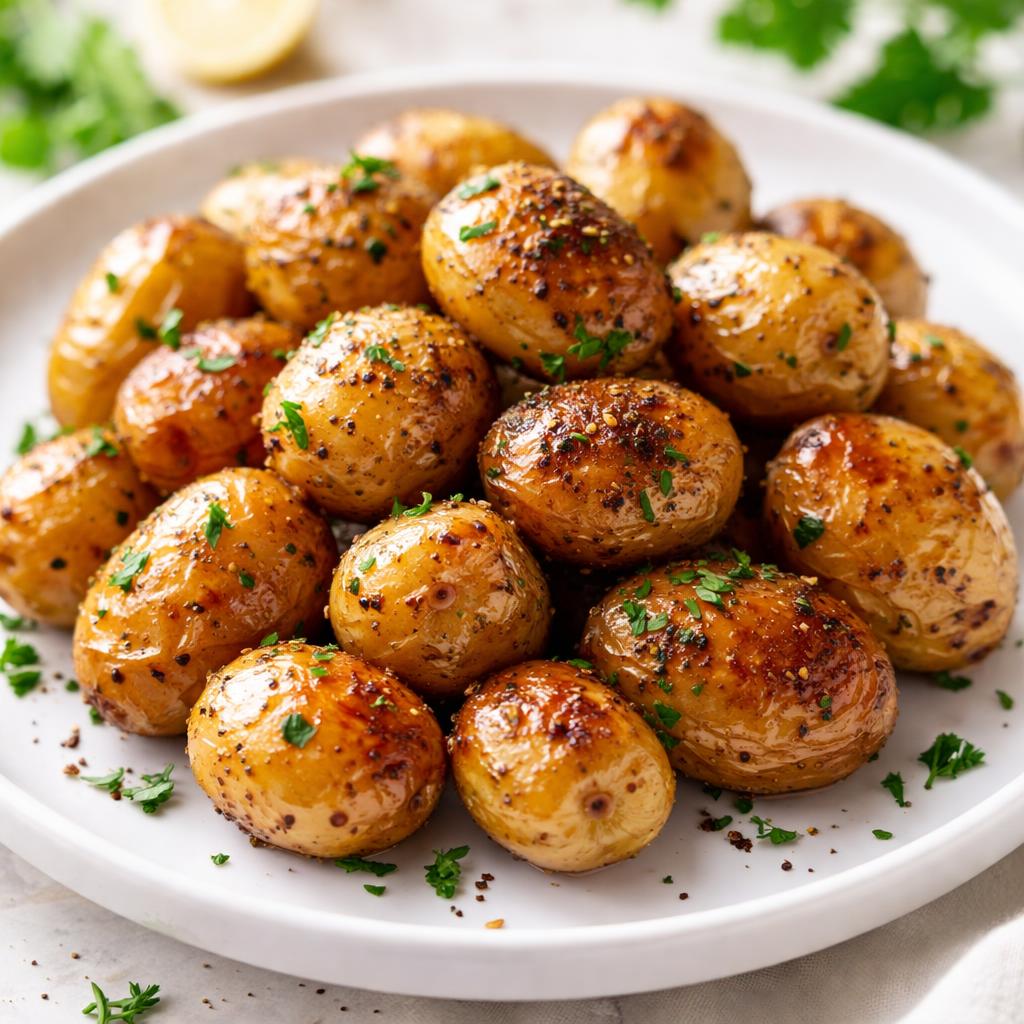
Potato
🎯 Quick Verdict
Avocado and potato have distinct nutritional profiles. Avocado is higher in healthy fats and fiber, making it a great choice for heart health and digestion. Potato is lower in calories and rich in carbohydrates, making it ideal for those seeking quick energy or refueling after workouts. Both are nutrient-rich but serve different dietary purposes.

Smart Nutrition Tracking with SnapCalorie

📊 Nutritional Comparison
Macronutrients
| Nutrient | Food 1 | Food 2 | Winner |
|---|---|---|---|
| Calories | 160 | 110 | ✓ |
| Protein | 2g | 2g | − |
| Carbs | 9g | 26g | ✓ |
| Fat | 15g | 0g | ✓ |
| Fiber | 7g | 3g | ✓ |
Vitamins & Minerals
| Nutrient | Food 1 | Food 2 | Winner |
|---|---|---|---|
| Vitamin C | 10mg | 19mg | ✓ |
| Vitamin B6 | 0.2mg | 0.4mg | ✓ |
| Vitamin E | 2.7mg | 0.01mg | ✓ |
| Potassium | 485mg | 620mg | ✓ |
| Magnesium | 29mg | 23mg | ✓ |
🏆 Category Winners
Protein
Both foods offer approximately 2g of protein per serving.
Fiber
Avocado contains more than double the fiber of potato, supporting digestion.
Calories
Potato is lower in calories, making it better for strict calorie control.
Vitamins
Potato provides higher levels of Vitamin C and B6 along with more potassium.
🥗 Diet Compatibility
Keto
Food 1: Compatible
Food 2: Not Compatible
Avocado is high in healthy fats and low in carbs, whereas potato is carb-heavy.
Vegan
Food 1: Compatible
Food 2: Compatible
Both foods are plant-based.
Gluten Free
Food 1: Compatible
Food 2: Compatible
Neither food contains gluten.
Paleo
Food 1: Compatible
Food 2: Compatible
Both are whole, natural foods suitable for paleo diets.
Low-Carb
Food 1: Compatible
Food 2: Not Compatible
Avocado is low in carbohydrates compared to potato.
💪 Health Benefits Comparison
Food 1 Benefits
- Rich in heart-healthy monounsaturated fats
- High fiber content aids digestion and metabolism
- Contains magnesium and potassium for electrolyte balance
- Good source of vitamin E for skin health and immunity
Food 2 Benefits
- Rich carbohydrate source for quick energy
- High in potassium for muscle function and blood pressure regulation
- Contains Vitamin C for immune support and skin health
- Provides Vitamin B6 for brain function and energy metabolism
✅ The Bottom Line
Choose avocado when prioritizing healthy fats, fiber, and a nutrient-rich food that complements a low-carb or keto diet. Opt for potato when you need a low-calorie, carb-dense option for energy or post-workout recovery.
Choose Food 1 for: Heart health, digestion, low-carb diets, nutrient density
Choose Food 2 for: Quick energy, workout recovery, immune support, budget-friendly meals


