Avocado VS Butter
A detailed nutritional comparison
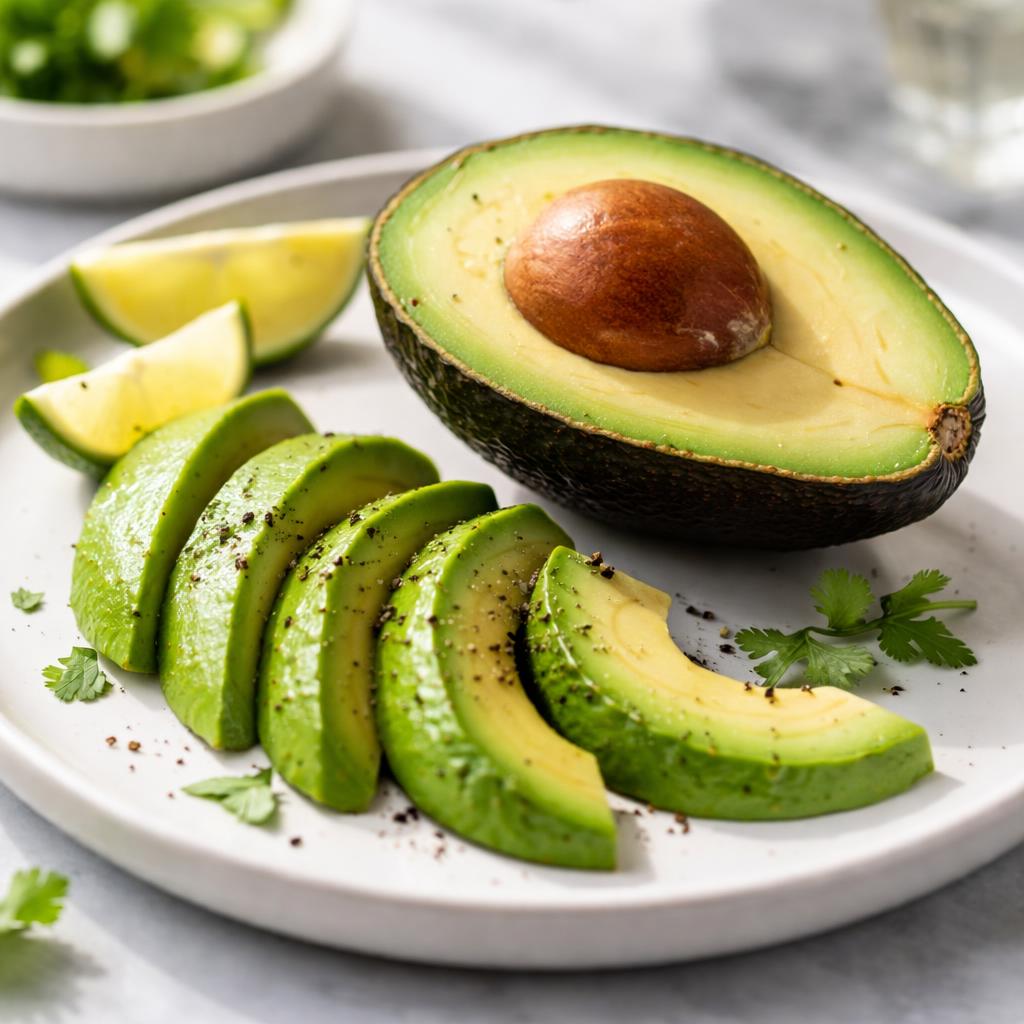
Avocado

Butter
🎯 Quick Verdict
Avocado is a nutrient-dense option that provides fiber, vitamins, and heart-healthy fats while being lower in calories compared to butter. Butter is calorie- and fat-dense, offering concentrated energy but minimal protein or fiber. Avocado is ideal for balanced nutrition, whereas butter serves as a flavor enhancer or energy source in moderation.

Smart Nutrition Tracking with SnapCalorie

📊 Nutritional Comparison
Macronutrients
| Nutrient | Food 1 | Food 2 | Winner |
|---|---|---|---|
| Calories | 160 calories (per 100g) | 717 calories (per 100g) | − |
| Protein | 2g | 0.85g | − |
| Carbs | 8.5g | 0.1g | − |
| Fat | 15g | 81.1g | − |
| Fiber | 6.7g | 0g | − |
Vitamins & Minerals
| Nutrient | Food 1 | Food 2 | Winner |
|---|---|---|---|
| Vitamin D | 0mcg | 0.6mcg | − |
| Vitamin E | 2.07mg | 2.32mg | − |
| Vitamin K | 21mcg | 7mcg | − |
| Potassium | 485mg | 24mg | − |
🏆 Category Winners
Protein
Avocado provides significantly more protein compared to butter.
Fiber
Butter has no fiber, while avocado is a great source with 6.7g per 100g.
Calories
Avocado is far lower in calories than butter, making it a better choice for calorie-conscious diets.
Vitamins
Avocado contains higher amounts of potassium and vitamin K, beneficial for heart health and bone strength.
🥗 Diet Compatibility
Keto
Food 1: Compatible
Food 2: Compatible
Both foods are high-fat and low-carb, suitable for a ketogenic diet.
Vegan
Food 1: Compatible
Food 2: Not Compatible
Avocado is plant-based, while butter is an animal product.
Gluten Free
Food 1: Compatible
Food 2: Compatible
Neither food contains gluten.
Paleo
Food 1: Compatible
Food 2: Compatible
Both are considered paleo-friendly in appropriate quantities.
Low Carbohydrate
Food 1: Compatible
Food 2: Compatible
Both contain minimal carbohydrates, with butter being extremely low carb.
💪 Health Benefits Comparison
Food 1 Benefits
- Rich in heart-healthy monounsaturated fats that may lower bad cholesterol.
- Excellent source of fiber for better digestion and gut health.
- High potassium content supports muscle function and maintains healthy blood pressure.
- Contains antioxidants like lutein and zeaxanthin for eye health.
Food 2 Benefits
- Highly concentrated energy source ideal for individuals needing high caloric intake.
- Contains fat-soluble vitamins like A, D, E, and K in moderate amounts.
- Provides short-chain fatty acids that may support gut health.
- Enhances flavor in dishes and can act as a carrier for fat-soluble nutrients.
✅ The Bottom Line
Choose avocado for a nutrient-packed option that supports overall health, including heart, digestion, and bone health. Opt for butter in small quantities to add flavor and concentrated calories to dishes, especially for high-energy needs.
Choose Food 1 for: Heart health, digestion, balanced nutrition, weight management
Choose Food 2 for: Flavor enhancement, energy boost, high-calorie intake


