Apple VS White Wine
A detailed nutritional comparison
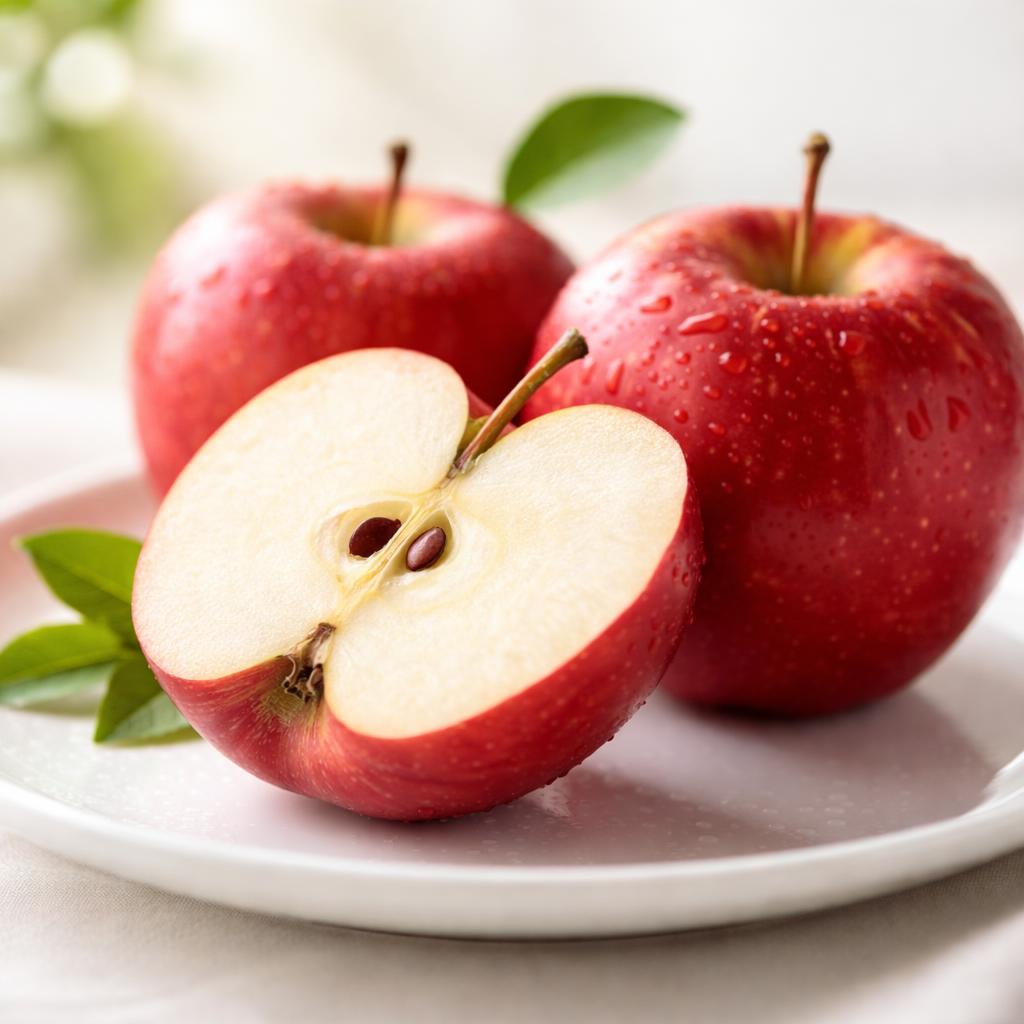
Apple
White Wine
🎯 Quick Verdict
Apples are significantly more nutrient-dense compared to white wine, offering fiber, vitamins, and fewer calories, making them ideal for healthy snacking. White wine, conversely, is caloric and lacks substantial nutrition but may hold some antioxidant benefits in moderation.

Smart Nutrition Tracking with SnapCalorie

📊 Nutritional Comparison
Macronutrients
| Nutrient | Food 1 | Food 2 | Winner |
|---|---|---|---|
| Calories | 95 | 120 | ✓ |
| Protein | 0.5g | 0g | − |
| Carbs | 25g | 4g | ✓ |
| Fat | 0.3g | 0g | ✓ |
| Fiber | 4g | 0g | ✓ |
Vitamins & Minerals
| Nutrient | Food 1 | Food 2 | Winner |
|---|---|---|---|
| Vitamin C | 8.4mg | 0mg | ✓ |
| Potassium | 195mg | 100mg | ✓ |
| Iron | 0.2mg | 0mg | ✓ |
🏆 Category Winners
Protein
Neither food is a significant source of protein.
Fiber
Apples contain fiber (4g per serving) while white wine contains none.
Calories
Apples are lower in calories by about 25% compared to white wine.
Vitamins
Apples provide vitamin C, potassium, and small amounts of iron, unlike white wine.
🥗 Diet Compatibility
Keto
Food 1: Not Compatible
Food 2: Compatible
White wine is low in carbohydrates compared to apples.
Vegan
Food 1: Compatible
Food 2: Compatible
Both are plant-based and free from animal products.
Gluten Free
Food 1: Compatible
Food 2: Compatible
Neither contains gluten.
Paleo
Food 1: Compatible
Food 2: Not Compatible
Apples are a whole food allowed on paleo diets, while wine is processed.
Low-Carb
Food 1: Not Compatible
Food 2: Compatible
White wine has fewer carbs compared to apples (4g vs 25g).
💪 Health Benefits Comparison
Food 1 Benefits
- Rich in fiber for digestive health and satiety
- Contains vitamin C for immune system support
- Provides antioxidants for cellular health
- Low in calories, aiding in weight management
Food 2 Benefits
- May provide antioxidants, including resveratrol, for heart health
- Low-carb option for keto or reduced-carb diets
- Could promote relaxation and stress relief in moderation
✅ The Bottom Line
Apples are a nutrient-dense, low-calorie choice suited for balanced diets focused on vitamins and fiber, particularly for weight management and immune support. White wine, while less nutritious, can be enjoyed sparingly for its antioxidant content or in low-carb diets if consumed in moderation.
Choose Food 1 for: Healthy snacking, digestion support, post-meal dessert
Choose Food 2 for: Low-carb diets, occasional indulgence, relaxation/social occasions


