Apple VS Slice Of Cake
A detailed nutritional comparison
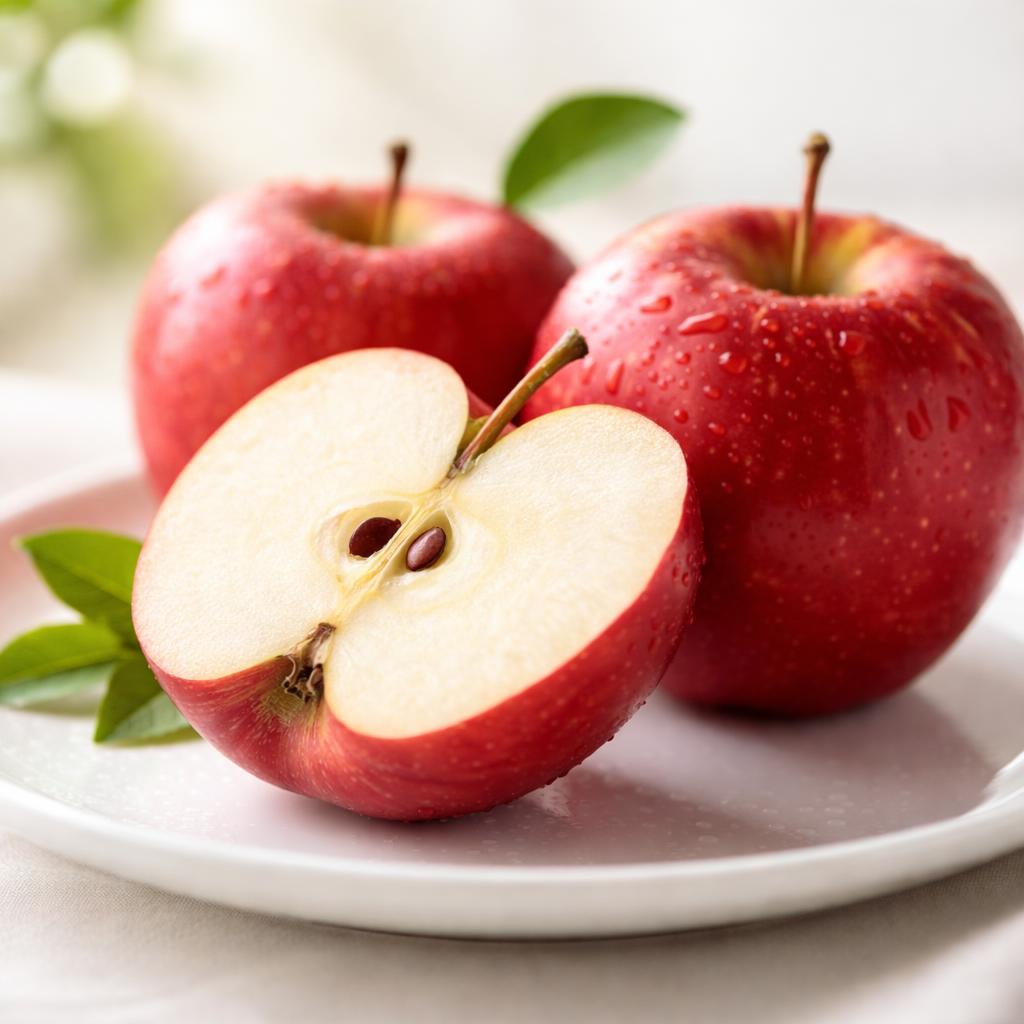
Apple

Slice Of Cake
🎯 Quick Verdict
Apples are a nutrient-dense, low-calorie fruit rich in fiber and vitamins, making them ideal for weight management and digestion support. Cake, on the other hand, contains more protein and calories but is high in sugar and fat, best enjoyed as an occasional treat for energy or indulgence purposes.

Smart Nutrition Tracking with SnapCalorie

📊 Nutritional Comparison
Macronutrients
| Nutrient | Food 1 | Food 2 | Winner |
|---|---|---|---|
| Calories | 95 | 300 | ✓ |
| Protein | 0.5g | 4g | ✓ |
| Carbs | 25g | 40g | ✓ |
| Fat | 0.3g | 15g | ✓ |
| Fiber | 4g | 1g | ✓ |
Vitamins & Minerals
| Nutrient | Food 1 | Food 2 | Winner |
|---|---|---|---|
| Vitamin C | 8.4mg (9% DV) | 0mg | ✓ |
| Vitamin A | 3mcg | 20mcg (2% DV) | ✓ |
| Calcium | 11mg | 50mg | ✓ |
| Iron | 0.2mg | 0.6mg | ✓ |
🏆 Category Winners
Protein
Cake has 8 times more protein, though it's from less ideal sources.
Fiber
Apples deliver 4g of fiber compared to only 1g in cake.
Calories
An apple has only 95 calories, far fewer than cake's 300.
Vitamins
An apple offers significantly more vitamin C, supporting immune health.
🥗 Diet Compatibility
Keto
Food 1: Not Compatible
Food 2: Not Compatible
Both are high in carbs and not suitable for a keto diet.
Vegan
Food 1: Compatible
Food 2: Depends on recipe
Apples are naturally vegan. Cake may contain eggs, milk, or butter.
Gluten Free
Food 1: Compatible
Food 2: Not Compatible
Apples are gluten-free, while most cakes contain wheat flour.
Paleo
Food 1: Compatible
Food 2: Not Compatible
Apples fit in a paleo diet, but cake is processed and contains refined ingredients.
Low Carb
Food 1: Not Compatible
Food 2: Not Compatible
Both are too high in carbs for a low-carb diet.
💪 Health Benefits Comparison
Food 1 Benefits
- High in fiber, promoting digestion and satiety
- Rich in vitamin C for immune system support
- Low calorie, aiding in weight management
Food 2 Benefits
- Provides quick energy from carbohydrates and fats
- Contains calcium, supporting bone health
- Offers iron, which is essential for oxygen transport in blood
✅ The Bottom Line
While apples are the winner in most nutritional categories and are better suited for daily consumption, cake can fit into a balanced diet as an occasional indulgence or energy boost. Choose an apple for fiber, vitamins, and weight control, and opt for cake when you prioritize taste or need quick energy.
Choose Food 1 for: Weight management, immune health, digestion
Choose Food 2 for: Occasional energy boost, celebrations, indulgence


