Apple VS Celery
A detailed nutritional comparison
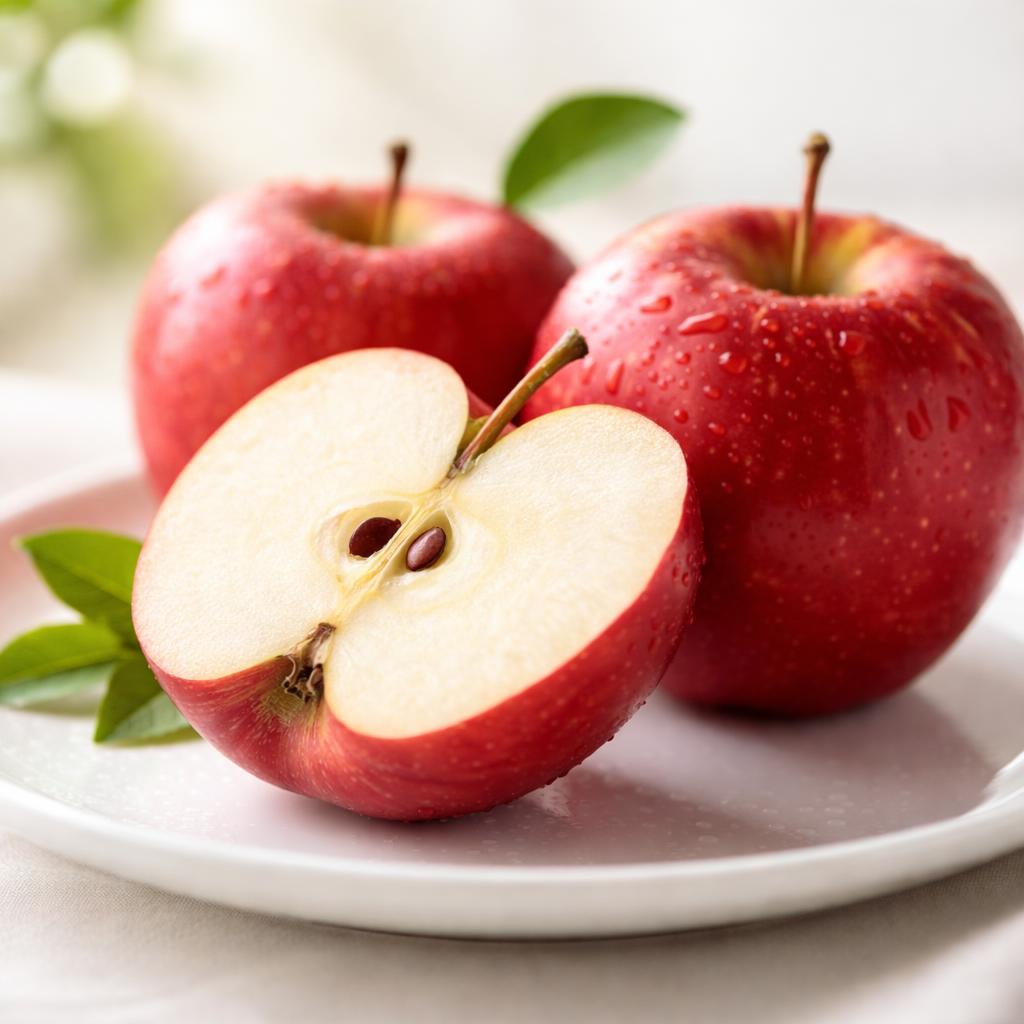
Apple
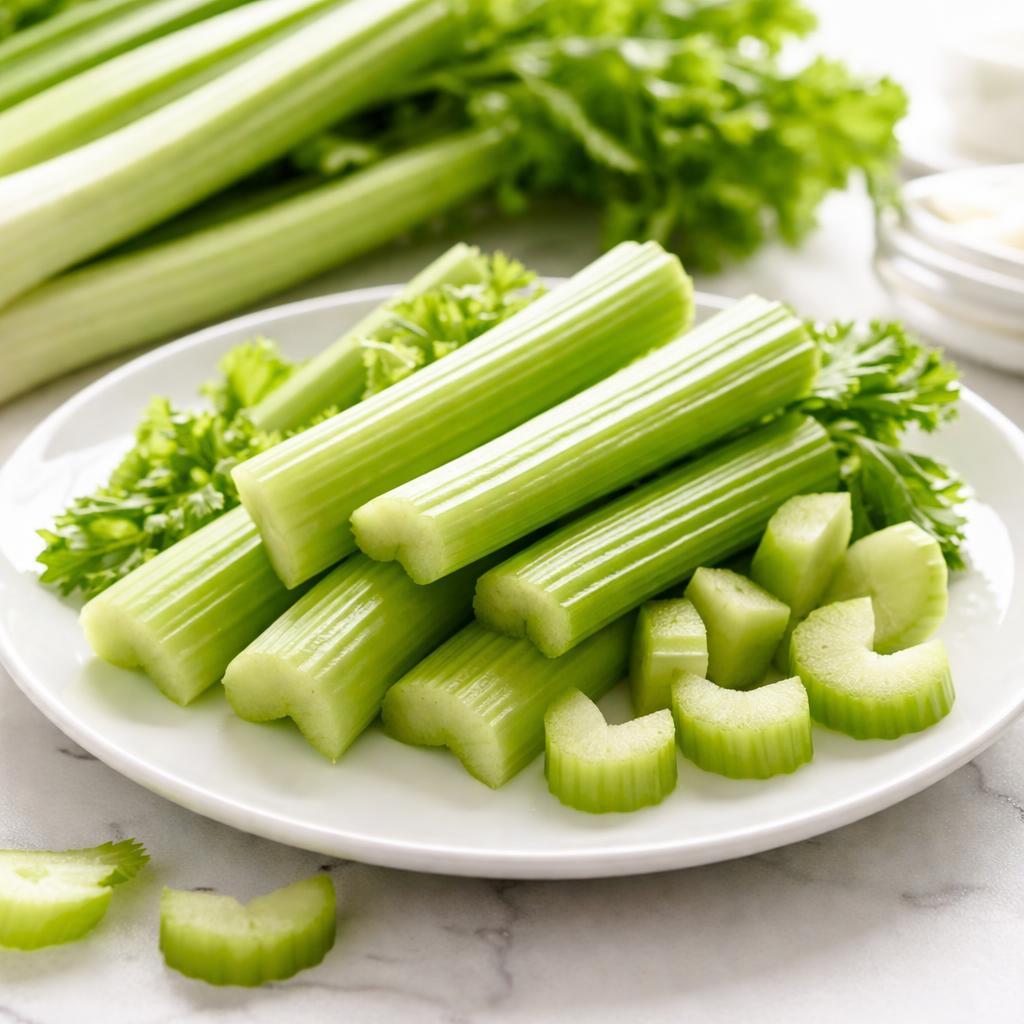
Celery
🎯 Quick Verdict
Apples and celery offer distinct nutritional profiles. Apples are higher in fiber and provide more vitamins, while celery is extremely low in calories and contains some key antioxidants. Apples are better for a sweet energy boost and digestive health, whereas celery is ideal for low-calorie snacks or hydration support.

Smart Nutrition Tracking with SnapCalorie

📊 Nutritional Comparison
Macronutrients
| Nutrient | Food 1 | Food 2 | Winner |
|---|---|---|---|
| Calories | 95 | 16 | ✓ |
| Protein | 0.5g | 0.5g | − |
| Carbs | 25g | 3g | ✓ |
| Fat | 0.3g | 0.1g | ✓ |
| Fiber | 4.3g | 1.6g | ✓ |
Vitamins & Minerals
| Nutrient | Food 1 | Food 2 | Winner |
|---|---|---|---|
| Vitamin C | 8.4mg | 3.1mg | ✓ |
| Vitamin A | 6mcg | 450mcg | ✓ |
| Potassium | 195mg | 260mg | ✓ |
🏆 Category Winners
Protein
Both foods provide 0.5g of protein per serving.
Fiber
Apples provide over 2.5x more fiber than celery.
Calories
Celery is extremely low in calories, with only 16 compared to 95 for apples.
Vitamins
Celery provides significantly more Vitamin A and Potassium than apples.
🥗 Diet Compatibility
Keto
Food 1: Not Compatible
Food 2: Compatible
Celery's low-carb content fits keto diets, while apples are higher in carbohydrates (25g per serving).
Vegan
Food 1: Compatible
Food 2: Compatible
Both foods are plant-based and suitable for vegan diets.
Gluten Free
Food 1: Compatible
Food 2: Compatible
Neither food contains gluten.
Paleo
Food 1: Compatible
Food 2: Compatible
Both are whole foods, making them suitable for paleo diets.
Low-Carb
Food 1: Not Compatible
Food 2: Compatible
Celery contains only 3g of carbs, fitting low-carb intentions, compared to apples with 25g of carbs.
💪 Health Benefits Comparison
Food 1 Benefits
- High in fiber for improved digestion and gut health.
- Rich in vitamin C for immune system support.
- Provides natural sweetness for energy boost without added sugar.
- Contains antioxidants that may support heart health.
Food 2 Benefits
- Extremely low in calories, suitable for weight loss.
- Rich in Vitamin A for eye health and immunity.
- Contains potassium for electrolyte balance and hydration.
- Hydrating vegetable with over 95% water content.
✅ The Bottom Line
Choose apples when you need a fiber-rich, vitamin-packed snack or natural sweetness to fuel your energy, making them ideal for digestion and quick energy boosts. On the other hand, opt for celery for ultra-low-calorie snacks, hydrating support, or as a keto-friendly option in meals.
Choose Food 1 for: Pre-workout, digestion boost, immune support
Choose Food 2 for: Weight loss, hydration, keto diets


